
Here’s What You’ll Learn in This Article
Learn how to safely whiten sensitive teeth using dentist-approved products, easy techniques, and healthy habits. Discover how to avoid common mistakes that may cause discomfort and get results that last.
Introduction
Many people want a whiter smile, but whitening can seem uncomfortable or risky if you have sensitive teeth. The good news is you do not have to pick between comfort and whiter teeth. With the right steps, whitening can be safe and effective for sensitive teeth. This article will explain how.
At Contemporary Family Dentistry, we often see patients who are worried about whitening due to past discomfort or fear of increased sensitivity. This is a typical concern. Many store-bought whitening products are not designed for sensitive teeth and can cause pain or disappointing results. With the right plan, though, you can safely brighten your smile and protect your teeth.
This guide shares the safest and most effective ways to whiten sensitive teeth. It explains what causes sensitivity and gives you easy steps for lasting, comfortable results.
Understanding Tooth Sensitivity
Before exploring whitening options, it’s helpful to know why teeth become sensitive.
What Causes Sensitivity
Tooth sensitivity occurs when the protective enamel wears down or gums recede, exposing the underlying dentin. Dentin contains microscopic tubules connected to the tooth’s nerve endings. When exposed, stimuli like hot, cold, or sweet substances can provoke discomfort.
According to the American Dental Association, tooth sensitivity is a common condition involving millions of adults worldwide.
Tooth sensitivity frequently results from enamel erosion or gum recession, exposing the tooth’s inner layers.
Common Triggers
Multiple factors contribute to sensitivity, including:
- Aggressive brushing habits
- Acidic foods and beverages
- Teeth grinding
- Gum disease
- Previous dental treatments
Knowing what causes tooth sensitivity is important when planning safe and effective whitening for sensitive teeth.
Why Traditional Whitening May Cause Discomfort
Most whitening products use ingredients like hydrogen peroxide or carbamide peroxide. These remove stains by passing through the enamel, but they can also irritate the nerves inside your teeth.
How Whitening Affects Sensitive Teeth
When whitening agents reach the dentin, they can temporarily increase sensitivity, especially for people with exposed dentin.
If you use whitening products too often or incorrectly, your teeth can become even more sensitive. That’s why it’s important to use dentist-approved whitening methods, especially if you have sensitive teeth.
Safe Whitening Options for Sensitive Teeth
Not every whitening method works the same way, especially if you have sensitive teeth. Some are designed to reduce discomfort while still delivering results for those with sensitivity.
Professional In-Office Whitening
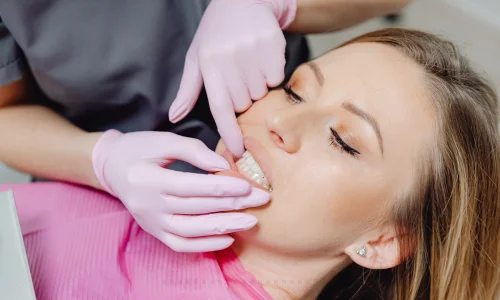
Whitening treatments performed by your dentist are some of the safest options for people with sensitive teeth.
At Contemporary Family Dentistry, we customize whitening treatments for each patient. We use the right amount of whitening agents and take steps to protect your teeth and reduce sensitivity.
Benefits include:
- Customized treatment plans
- Protective barriers for gums
- Controlled application of whitening agents
- Immediate results
Custom Take Home Trays
Custom-fitted trays provided by your dentist allow gradual at-home whitening.
- Lower concentration whitening gels
- Even distribution of the product
- Reduced risk of gum irritation
This method works well for sensitive teeth because it lets you whiten your teeth slowly and with better control.
Whitening Toothpastes for Sensitivity
Toothpastes for sensitive teeth often include ingredients such as potassium nitrate or stannous fluoride.
These ingredients help:
- Block pain signals
- Fortify enamel
- Reduce sensitivity over time.
These toothpastes may not make your teeth much whiter right away, but they are a safe place to start.
Ingredients to Look for and Avoid
Choosing the right products is important if you have sensitive teeth.
Safe Ingredients
Look for:
- Potassium nitrate
- Fluoride
- Low concentration peroxide
These ingredients help whiten your teeth while also managing sensitivity.
Ingredients to Avoid
Avoid products with:
- High peroxide concentrations
- Abrasive whitening agents
- Unverified DIY solutions
According to Mayo Clinic, excessive use of abrasive products can damage enamel and worsen sensitivity.
Preparing Your Teeth for Whitening
Getting your teeth ready before whitening can help reduce discomfort.
Address Existing Dental Issues
Before starting whitening, it is important to treat:
- Cavities
- Gum disease
- Cracked or damaged teeth
If you do not deal with these problems first, whitening can make your teeth even more sensitive.
Fortify Enamel First
Using fluoride treatments or desensitizing toothpaste for a few weeks before whitening can fortify enamel and reduce discomfort.
Preparing your teeth before whitening can help reduce sensitivity and improve your results.
Best Practices During Whitening
Even if you use safe products, it’s important to use them correctly.
Follow Instructions Carefully
Using whitening products too often will not speed up results and may make your teeth more sensitive.
Avoid Trigger Foods
During whitening, avoid:
- Hot or cold beverages
- Acidic foods
- Sweet treats
These foods and drinks can worsen sensitivity.
Aftercare: Maintaining Results Without Sensitivity
Whitening your teeth is not something you do just once. Keeping your results means taking care of your teeth over time.
Use Desensitizing Products
Continue using toothpaste for sensitive teeth to help with any discomfort.
Practice Good Oral Hygiene
Brushing, flossing, and regular dental visits are important for keeping your teeth white and healthy.
Limit Staining Foods and Drinks
Drinks like coffee, tea, and red wine, along with some foods, can stain your teeth over time. Enjoying them in moderation helps keep your smile shining.
The Role of Diet and Lifestyle
Your daily habits affect both your tooth sensitivity and the longevity of your whitening results.
Hydration and Saliva Production
Saliva protects your enamel by fighting acids. Drinking enough water also helps your oral health.
Avoid Smoking
Smoking causes staining and weakens oral health, making whitening less effective.
According to the Centers for Disease Control and Prevention, tobacco use is a major contributor to oral health issues.
Real World Insight: Patient Experience
We once helped a patient who had avoided whitening for years because of severe sensitivity. After inspecting their teeth, we recommended desensitizing treatments and custom trays for use at home.
In just a few weeks, the patient noticed a clear difference in whitening with very little discomfort. The main reason for success was the personalized plan, not just the product.
This experience shows that whitening sensitive teeth is not about finding one perfect solution. It’s about having the right plan for you.
The Science Behind Whitening and Sensitivity Management
To safely whiten sensitive teeth, it helps to look beyond surface solutions and understand the science behind whitening and sensitivity.
How Whitening Agents Interact With Tooth Structure
Most whitening treatments use peroxide compounds that penetrate enamel and break down stain molecules. These stains are embedded within the tooth, not just on the surface, so brushing alone cannot remove them.
When whitening agents are applied:
- They release oxygen molecules that break apart stain compounds.
- These reactions occur within the enamel and dentin layers.
- The breakdown of stains results in a lighter tooth shade.
For people with sensitive teeth, this process can temporarily affect the nerves inside the tooth. This is not permanent damage, but a reaction that resolves as the fluid in the tooth settles.
Understanding this process shows why controlled whitening is important for sensitive teeth.
The Role of Dentinal Tubules in Sensitivity
Dentin contains thousands of microscopic channels called dentinal tubules. These connect the tooth’s outer surface to the inner nerve. When exposed:
- External stimuli travel quickly through these channels.
- Changes in temperature or chemical exposure can provoke discomfort.
- Whitening agents may temporarily increase fluid movement inside these tubules.
That’s why sensitivity commonly feels like a sharp, quick pain instead of a dull ache.
Safe whitening does not prevent this reaction, but it manages and reduces its effects.
Desensitization Strategies That Work
One of the best ways to safely whiten sensitive teeth is to combine whitening with desensitizing techniques. This way helps you get results while staying comfortable.
Tubule Blocking Mechanisms
Certain ingredients are designed to physically block dentinal tubules, reducing the transmission of stimuli.
These include:
- Potassium nitrate, which calms nerve activity
- Stannous fluoride, which forms a protective layer over exposed dentin
- Calcium phosphate compounds that help remineralize enamel
If you use these ingredients regularly, they can lower sensitivity and make whitening easier.
Nerve Desensitization
In addition to blocking pathways, some treatments aim to reduce nerve responsiveness.
This involves:
- Lowering nerve excitability within the tooth
- Decreasing the chance of pain signals being triggered
- Creating a more stable internal environment during whitening
This method is especially helpful for people who have ongoing sensitivity.
Timing and Pacing: The Overlooked Factor in Safe Whitening
Many people think faster whitening gives better results, but taking your time is important for safely whitening sensitive teeth.
Gradual Whitening vs Rapid Whitening
Gradual whitening brings several benefits:
- Allows teeth to adapt to the whitening process
- Reduces the intensity of sensitivity episodes
- Provides more consistent and natural-looking results
Rapid whitening can overwhelm your teeth and increase discomfort, especially if you already have sensitivity.
The Importance of Recovery Periods
Spacing whitening sessions allows teeth time to recover.
Benefits include:
- Rehydration of enamel
- Stabilization of dentinal fluid movement
- Reduced cumulative sensitivity
Whitening your teeth slowly, with breaks, usually gives you better long-term results than doing it all at once.
Saliva: The Natural Defense System
Saliva is very important for protecting your teeth during and after whitening. It is one of your body’s best tools for a healthy mouth, even though people often overlook it.
How Saliva Supports Whitening
Saliva helps by:
- Counteracting acids that weaken enamel
- Providing minerals like calcium and phosphate for remineralization
- Washing away residual whitening agents
Having enough saliva can help lower sensitivity and improve whitening results.
Supporting Saliva Production
To increase these benefits:
- Stay well hydrated throughout the day.
- Avoid high caffeine or alcohol intake, as they can decrease saliva secretion.
- Chew sugar-free gum to stimulate natural production.
Keeping your mouth healthy makes whitening safer and more effective.
The Psychological Side of Sensitivity
Sensitivity is not simply a physical feeling; it is also a psychological one. Worrying about discomfort can sometimes make pain feel worse.
Managing Expectations
If you are sensitive, you might notice even small sensations more. This does not mean the pain is not real, but your mindset can affect how you experience it.
Clear guidance and realistic expectations help to:
- Reduce anxiety around whitening treatments.
- Improve overall comfort during the process.
- Encourage consistency and following of treatment plans.
Building Confidence Through Education
Knowing what is happening inside your teeth can help you feel more in control and less anxious. When you know what to expect, you are more likely to finish your treatment.
Customization: Why One Size Does Not Fit All
Everyone’s teeth are different. How sensitive is everyone’s teeth? Everyone’s teeth are different. How sensitive your teeth are, how thick your enamel is, and your dental history all affect the best way to whiten your teeth.zed whitening plan considers:
- Degree of sensitivity
- Type and severity of staining
- Existing dental restorations
- Lifestyle habits such as diet and smoking
By personalizing your whitening plan, you can get the best results without extra discomfort.
Adjusting Variables for Comfort
Dentists regularly adjust:
- Whitening gel concentration
- Application duration
- Frequency of treatment sessions
These small adjustments can make whitening much more comfortable and still give you great results. The Connection Between Enamel Health and Whitening Success
Healthy enamel is key to safe and effective whitening. If your enamel is not strong, even the best products could cause discomfort or uneven results.
Strengthening Enamel Before Whitening
Improving enamel health before treatment can:
- Reduce sensitivity
- Enhance whitening effectiveness
- Create a more consistent appearance.
That’s why preparing your teeth is just as important as the whitening itself.
Remineralization Plus Its Benefits
Remineralization restores lost minerals in enamel.
Benefits include:
- Increased resistance to sensitivity
- Improved structural strength
- Better long-term results after whitening
Using products that help rebuild enamel makes whitening safer and gives you longer-lasting results.
Long-Term Strategy: Maintaining Results Without Sensitivity
Getting a whiter smile’s just the first step. Keeping your results without causing sensitivity means caring for your teeth over time.
Controlled Touch-Ups
Instead of frequent full whitening treatments, occasional touch-ups help maintain brightness with less exposure to whitening agents.
This procedure helps to:
- Reduces the risk of cumulative sensitivity
- Keeps results consistent over time
- Lowers how often you need strong whitening treatments
Lifestyle Alterations
Small daily habits can make a big difference:
- Rinse your mouth after consuming staining foods or drinks.
- Use a straw for beverages that may stain teeth.
- Keep consistent oral hygiene routines.
These habits help keep your teeth white and protect your enamel.
When to Pause Whitening
It’s just as important to know when to take a break from whitening as it is to know when to start.
Signs You Should Take a Break
- Persistent or increasing sensitivity
- Sharp pain that does not subside
- Gum irritation or discomfort
Taking a break gives your teeth time to recover and helps prevent further irritation.
Resetting Your Approach
After a break, whitening can often be resumed with:
- Lower concentration products
- Reduced frequency
- Additional desensitizing support
This helps you keep making progress without losing comfort.
Bridging Comfort and Results
The safest way to whiten sensitive teeth isn’t about choosing just one product or method. It’s about using the right mix of science, planning, and a personal approach.
By understanding how whitening works, managing sensitivity at its source, and carefully pacing treatments, patients can achieve noticeable results without needless discomfort.
With this evenhanded approach, whitening becomes a safe and predictable process. You can enjoy comfort and confidence in your smile.
Common Mistakes to Avoid
Even with good intentions, some actions can still cause problems.
Overusing Whitening Products
More is not better. Using whitening products too much can damage enamel and increase sensitivity.
Ignoring Professional Advice
DIY solutions may appear convenient, but they can be risky without proper guidance.
Skipping Preparation
If you do not prepare your teeth first, you are more likely to feel discomfort during whitening.
Advanced Solutions for Persistent Sensitivity
If you still have sensitivity, you may need extra treatments.
Fluoride Treatments
Fluoride treatments from your dentist can strengthen your enamel and reduce sensitivity.
Dental Sealants
Sealants can cover exposed parts of your teeth and help reduce discomfort.
Laser Treatments
Sometimes, laser treatments can help reduce sensitivity and improve whitening results.
Why Professional Guidance Matters
While over-the-counter products are easy to find, professional care offers the best safety and customization.
At Contemporary Family Dentistry, we focus on patient comfort and long-term oral health. Our approach to whitening sensitive teeth includes:
- Personal treatment plans
- Safe and effective techniques
- Ongoing support and guidance
Final Thoughts
Whitening sensitive teeth does not have to be painful or risky. With the right plan, you can get a whiter smile while keeping your teeth comfortable and healthy.
The key is to know what your teeth need, choose the right products, and follow good advice. With a careful approach, you can enjoy a whiter smile without extra sensitivity.
If you want to try safe and effective whitening for sensitive teeth, our team at Contemporary Family Dentistry is here to help. With our experience and personal care, we will make sure your journey to a more dazzling smile is comfortable and successful. Learn more about our cosmetic dentistry services and take your first move toward a confident, bright smile.
FAQs
1. Is whitening safe for sensitive teeth
Yes, when done correctly and under professional guidance, whitening can be safe for sensitive teeth.
2. What is the best whitening method for sensitive teeth
Professional treatments and custom take-home trays are often the safest options.
3. How can I reduce sensitivity during whitening
Use desensitizing toothpaste, follow instructions carefully, and take breaks if needed.
4. Are over-the-counter products safe
Some are safe, but it is important to choose products designed for sensitive teeth and avoid overuse.
5. How long do whitening results last
Results vary, but with proper care, they can last several months to a few years.
6. Can sensitivity become permanent
No, whitening-related sensitivity is usually temporary when proper methods are used.
7. Should I consult a dentist before whitening
Yes, consulting a dentist ensures safe, effective treatment customized to your needs.


