Summary of the Blog
In this blog, the major differences between dental implants and dental bridges are discussed. It describes how implants are more durable and maintain the good health of the jawbone compared to bridges which can be more affordable and quicker. The most appropriate option will be based on your financial capacity, oral health, and long-term requirements.
Introduction
No one can expect that they are going to lose a tooth. Whenever it occurs, the first thought that most people have is what they should do next. Virtually, two choices are presented either dental implant or a dental bridge. Both fit the gap, appear natural and have actual advantages. But they are not the same, and it is more significant to select one over the other than many people believe.
We discuss this issue with our patients every day in Contemporary Family Dentistry. People desire to know what alternative will be more lasting, which one will be cheaper and which one will suit their needs better. This guide addresses all those questions in a truthful manner, therefore, you can make a decision and not guess.
To begin with, you need to know what each option is.
It is always good to know what each of the treatments entails before comparing dental implants and bridges.
A dental bridge is exactly what it is called; it fills in the space that was occupied by a lost tooth. The tooth that is replaced is known as a pontic and is placed at the centre and secured by the crowns on the two teeth adjacent to the gap. The teeth adjacent to them have to be shaped down and reduced so that a bridge can fit in. It is cemented to the entire structure, which remains in place. You brush it like a regular tooth, however, it needs a little more attention flossing under.
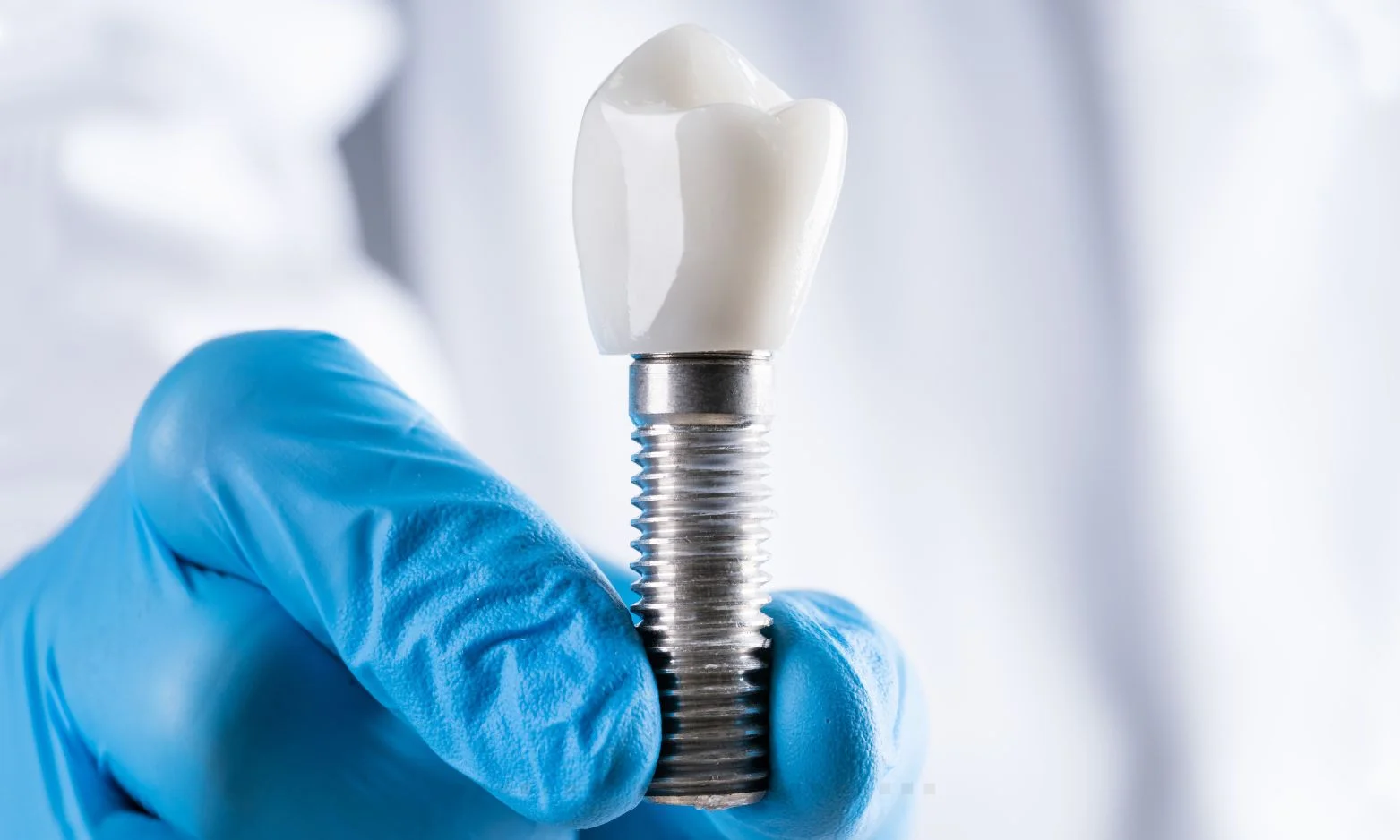
A dental implant is different. It forms its own root instead of relying on the support of other teeth. A titanium post is inserted directly to the jawbone and it fuses with the bone in a process known as osseointegration. A crown is then added on top once this bond has been developed which takes a few months. The outcome is an independent tooth replacement that does not influence the other teeth.
What is the duration of each of them?
This is typically the initial actual question and the answer leans heavily towards implants as far as longevity is concerned.
With proper care, dental bridges have a good lifespan of 10-15 years. Others last longer provided you maintain good oral health and check ups. However, bridges do wear out over time. The cement may become loose and the teeth around the attachment of the bridge may become diseased or gum related and in some situations the bridge may have to be replaced.
Worth knowing: As the American Dental Association (ada.org) notes, dental implants have a success rate of over 95 percent after 10 years, and most patients have retained the implant after 25 years without any structural issues.
Dental implants however are made to be lifelong. The titanium post never decays, it does not loosen as cement, and it does not need other teeth to support. The top crown may require replacement after 15 to 20 years due to normal wear, however, the implant remains functional. Implants also obviously come in first when it comes to longevity.
The impact on surrounding teeth
Many patients do not think at first about how each option affects the teeth next to the gap. This is actually more important than it might seem.
With a bridge, the two teeth on either side of the gap have to be permanently altered. A dentist files them down significantly to create space for the crowns that anchor the bridge. Those teeth will never be the same again — even if the bridge eventually fails and needs replacement, those neighboring teeth are already permanently changed. Some people feel fine about that trade-off. Others, once they hear it, decide they want an option that leaves healthy teeth alone.
Implants do not affect the teeth next to them at all. The replacement tooth stands on its own. Nothing is filed, capped, or changed. For people with healthy teeth on both sides of the gap, this is often a key reason to choose an implant over a bridge.
What happens to the jawbone?
Many people are surprised to learn that when a tooth is lost, the jawbone underneath begins to shrink. The bone needs stimulation from a tooth root to stay strong. Without it, the body slowly reabsorbs the bone, a process called bone resorption.
Key fact: Research published in the Journal of Oral Implantology shows that patients can lose up to 25% of their bone width in the first year after tooth loss if the root is not replaced.
A bridge rests on top of the gums and does not stop bone loss. Since there is no root under the bridge, bone loss continues over time. This can change how the bridge fits, affect the shape of your face in that area, and cause problems later on.
An implant goes directly into the jawbone and works like a natural tooth root. It stimulates the bone every time you bite, which stops bone loss and keeps the bone healthy. For long-term oral health, not just replacing a tooth, this is a major reason to choose implants over bridges.
Cost: looking at the full picture
Bridges may appear more attractive initially as these are usually cheaper to install as compared to implants. Implants require surgery, time to heal and a few visits, and therefore are more expensive initially. This is significant to individuals with a limited budget.
Nevertheless, the overall expense in the long-run might vary. When a bridge has a lifespan of 12 years, then the bridge will require replacement, which is more expensive. Should there occur bone loss or decay in the supporting teeth, then that increases the expense. An implant is more expensive initially, but the majority of individuals do not have to replace it. It may require many years of work on the crown on top, but the implant continues.
Practical hint: Have your dentist estimate the lifetime cost of each or both options in your particular case and have him or her walk you through the cost not just the cost at the time they are sold to you. The more affordable option is implants for many patients when considered over a period of 20 or 30 years.
Dental insurance is also a factor. Most of the plans are easier to cover bridges than implants, though this is evolving as the latter is becoming more popular. Before making your decision, it is a good idea to check with your insurance company. Who is a good candidate for each?
Not every patient is automatically a candidate for both options, and that is an important part of the dental implant vs bridge decision, too.
Implants work best when:
- The patient has adequate jawbone density to support the titanium post.
- The gums are healthy and free from active periodontal disease.
- The patient does not have uncontrolled diabetes, as it can affect healing after surgery.
- The patient is done growing — implants are generally not placed in teenagers whose jaws are still developing.
- The patient is willing to go through a process that takes several months from start to finish.
Bridges work better when:
- There is not enough bone density to support an implant without a bone graft.
- The patient needs a faster solution and cannot wait for the implant healing period.
- Budget constraints make the lower upfront cost of a bridge the priority right now.
- The neighboring teeth already have large fillings or crowns and would benefit from being capped anyway.
The best choice really depends on each person. A full exam, dental X-rays, and an honest talk with a trusted dentist at Contemporary Family Dentistry are the best ways to find out which option is right for you.
Day-to-day life with each option
Both options feel natural once they are in place. Most people cannot tell the difference between an implant or a bridge and a real tooth when eating or speaking. Still, there are a few small daily differences to keep in mind.
Bridges need a special flossing method. You use a floss threader or water flosser to clean under the pontic where it meets the gumline. It is not hard, but it takes some practice. Food can sometimes get stuck under the bridge if the seal is not perfect, so regular cleaning is important.
Implants are cleaned exactly like natural teeth, brush and floss as you normally would. There is no special technique required. For patients who want the most seamless daily experience, this is another point in the implant column.
“Tip from the team at Contemporary Family Dentistry: No matter which option you choose, regular checkups every six months help protect your investment. Both bridges and implants can develop issues, but catching them early with a professional makes them much easier to manage.”
So which one lasts longer, the honest answer
When comparing dental implants and bridges, implants last longer. This is the clear answer based on clinical evidence and years of patient results. Implants preserve bone, do not rely on other teeth, and the titanium root does not wear out like a bridge’s support can.
However, lasting longer does not always mean it is the best choice for everyone. A bridge is a proven and reliable treatment that has helped millions of people for decades. For some, like those who need a faster solution, have a smaller budget, or do not have enough bone for an implant, a bridge is a very good option.
The goal is not just to choose the option that looks best on paper. It is to pick what fits your health, timeline, budget, and long-term needs. This is always a conversation worth having with a dentist who explains everything clearly.
Ready to find out which option is right for you?
The team at Contemporary Family Dentistry is here to go over every detail with you, with no pressure and no rush. Book a consultation today to get a personalized recommendation based on your oral health. Visit our contact page to schedule your appointment and start your journey to a confident, lasting smile.
Frequently asked questions
- Does getting a dental implant hurt?
The procedure is done under local anesthesia, so patients do not feel pain during placement. There is usually some soreness and swelling in the days after surgery, which most patients manage comfortably with over-the-counter pain relievers. The recovery is very manageable for the large majority of people.
- Can a dental bridge be converted to an implant later?
In many cases, yes, but it depends on the condition of the bone after wearing a bridge for years. Since bridges do not stop bone loss, some people who want to switch to an implant later need a bone graft first to rebuild lost bone. This is something to consider before choosing a bridge as a short-term solution.
- How long does the dental implant process take from start to finish?
From the first placement to the final crown, the whole process usually takes three to six months. Most of this time is spent healing while the implant fuses with the jawbone. The actual appointments are not very long; it is the waiting between steps that takes up most of the time.
- Will a dental bridge or implant look natural?
Both options look very natural when made well. Modern porcelain crowns and pontics are matched to the shade of surrounding teeth, so most people cannot tell the difference from a normal tooth. Your dentist uses color-matching tools to ensure the replacement blends seamlessly.
- Does insurance cover dental implants?
Coverage varies widely by plan. Traditionally, many insurance plans covered bridges more readily than implants. However, more insurers are recognizing implants as the standard of care for tooth replacement and are beginning to offer partial coverage. It is always worth calling your insurance provider directly to ask about your specific plan’s benefits before making a decision.
Also Read:
-
-
-