
Here’s What You’ll Learn in This Article
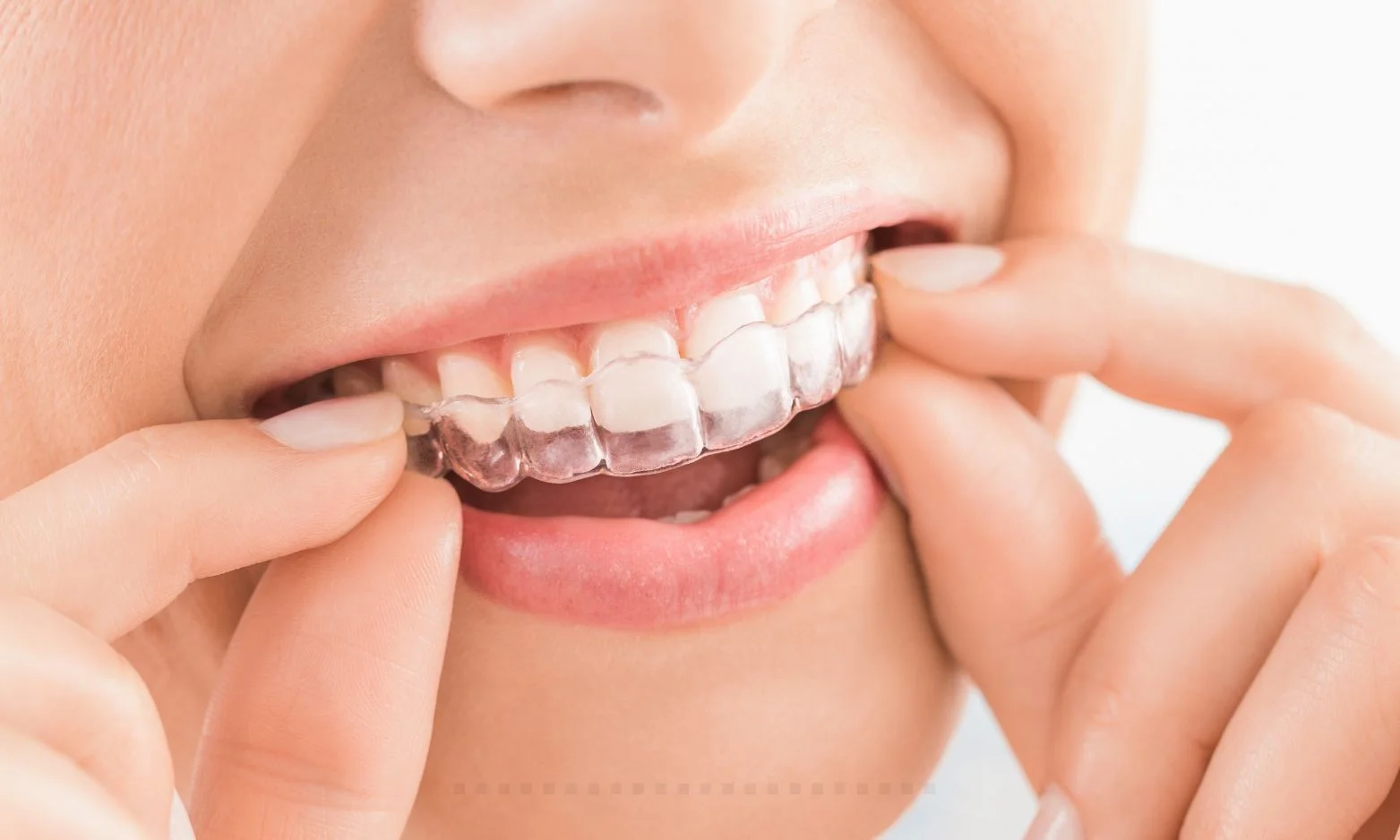
Clear aligners straighten teeth using removable, nearly invisible trays that fit into daily life more easily than traditional braces. They offer benefits like better comfort, easier cleaning, and more confidence, but they also require strict discipline and aren’t suitable for every case. Success depends on consistent wear, good oral care habits, and proper dental guidance throughout the treatment journey.
Introduction
A straight smile matters to many people. Some want it for confidence. Some want it for better oral health. Some simply want to feel better when they smile in photos or talk to others.
But not everyone wants metal braces. That is where clear aligners come in. Clear aligners give people a way to straighten teeth without wires or brackets. They look simple, feel more comfortable for many people, and fit into daily life more easily than traditional braces.
Still, they do not work the same way for everyone. They come with both advantages and limitations.
Understanding clear aligners pros cons helps you make a better decision before starting treatment.
At Contemporary Family Dentistry, we talk with patients every week who feel unsure about choosing aligners. Some love the idea right away. Others need time to understand how they work in real life.
Let’s break it down in a clear and honest way.
What Clear Aligners Actually Do
Clear aligners move teeth step by step into better alignment. They use a series of custom made trays that slowly shift teeth into the right position.
Each set applies gentle pressure. After a certain time, you switch to the next set.
Over time, teeth move into a straighter position.
Unlike braces, aligners do not use metal wires or brackets. That alone changes the experience a lot for most people.
The Biggest Advantage: They Look Invisible
Many people choose clear aligners for one simple reason. They do not stand out.
Most People Do Not Notice Them
Aligners stay transparent, so they blend with your teeth.
You Feel More Confident Socially
People often smile more freely during treatment.
Work and School Feel Easier
Adults and teens often feel less self conscious during conversations.
This benefit sits at the top of clear aligners pros cons for most patients.
They Feel More Comfortable Than Braces
Traditional braces can irritate the inside of your mouth. Metal wires sometimes poke or scratch.
Clear aligners avoid most of that.
Smooth Surface Feels Better
The trays sit flat against your teeth.
No Metal Wires
You avoid cuts and irritation from brackets.
Less Emergency Visits
You do not deal with broken wires or loose brackets as often.
Comfort plays a big role in treatment success.
You Can Remove Them Anytime
This is one of the most talked about benefits.
Eat Without Restrictions
You remove aligners before meals.
Brush and Floss Normally
You do not need special tools for cleaning.
No Food Stuck in Braces
You avoid the common problems that come with metal brackets.
But this flexibility also creates a responsibility, which we will discuss later.
Better Oral Hygiene During Treatment
Oral hygiene becomes easier with aligners.
Teeth Stay Cleaner
You remove trays before brushing.
Gums Stay Healthier
Less food trapping helps gums stay healthy.
Fresh Breath Feels Easier to Maintain
Good cleaning habits become simpler.
According to American Dental Association, good daily cleaning plays a key role in preventing gum disease during orthodontic treatment.
Clean teeth habits help protect gums and long term oral health.
Treatment Feels More Predictable
Most clear aligner treatments follow a planned digital process.
Digital Scans Map Your Teeth
Dentists create a step by step plan.
You See Expected Progress
Many systems show a visual treatment path.
Adjustments Stay Controlled
Each set of trays moves teeth in small steps.
This makes the journey feel structured and clear.
Now The Honest Part: Discipline Matters a Lot
Clear aligners only work if you wear them properly.
You Must Wear Them Daily
Most patients need 20 to 22 hours per day.
Removing Them Too Often Slows Progress
Skipping hours reduces effectiveness.
Responsibility Sits With You
No wires force your teeth into position. You control the result.
This is one of the most important clear aligners pros cons to understand before starting.
They Do Not Work for Every Case
Clear aligners work well for many people, but not all cases.
Mild to Moderate Cases Work Best
Small gaps or slight crowding respond well.
Complex Cases May Need Braces
Severe bite issues may require traditional orthodontics.
Dentists Decide Suitability
A professional evaluation always comes first.
Speech Feels Different at First
Some people notice a slight change in speech in the beginning.
Slight Lisp May Happen
The tongue adjusts to the trays.
Most People Adjust Quickly
Speech usually returns to normal within days.
Practice Helps a Lot
Talking normally speeds up adjustment.
Eating Feels Simple, But Needs Discipline
You remove aligners before eating, which feels easy at first. But there is one challenge.
You Must Brush After Meals
Food should not stay on teeth before reinserting aligners.
Snacking Becomes Less Convenient
Frequent eating means more cleaning.
Water Becomes the Best Option
Many patients drink more water during treatment. This change affects daily habits more than people expect.
Treatment Depends on Consistency
Clear aligners only work with steady use.
Skipping Wear Time Slows Progress
Teeth move slowly, not instantly.
Missing Steps Can Affect Results
Each tray depends on the one before it.
Discipline Creates Success
The more consistent you stay, the better the outcome.
Cost Can Be a Concern for Some People
Clear aligners sometimes cost more than basic braces in certain cases.
Insurance May Help
Some dental plans cover part of the treatment.
Payment Plans Exist
Many clinics offer monthly options.
Long Term Value Matters
Straighter teeth support better oral health over time.
Real Patient Experience Feels Different From Expectation
Many patients think aligners will feel strange or difficult.
But most adjust quickly.
One patient told us they expected discomfort all day. After a week, they said they forgot they were even wearing the trays most of the time.
Another patient struggled at first with discipline. Once they built a routine, everything became easy.
These small stories reflect the real clear aligners pros cons balance.
How Dentists Help You Stay on Track
Dentists do not just give you trays and send you home. They guide you through the process.
Regular Check Ups
They track progress and adjust if needed.
Clear Instructions
They explain how to wear and clean aligners properly.
Support During Treatment
Patients can ask questions anytime.
At Contemporary Family Dentistry, we focus on simple explanations so patients feel confident throughout treatment.
Daily Routine With Clear Aligners
A simple routine helps everything work smoothly.
Morning
Remove aligners, brush teeth, clean trays, reinsert.
After Meals
Brush teeth before putting trays back in.
Night
Wear aligners while sleeping.
This routine keeps treatment on track.
Final Thoughts
Clear aligners give people a modern way to straighten teeth without metal braces. They look simple, feel comfortable, and fit into daily life with fewer restrictions.
But they also require discipline, consistency, and proper care.
Understanding clear aligners pros cons helps you decide if this treatment matches your lifestyle and expectations.
At Contemporary Family Dentistry, we help patients choose the option that fits them best, not just what looks popular. If you want to explore teeth straightening options, visit our orthodontic services and take the first step toward a healthier smile.
FAQs
1. Do clear aligners work as well as braces
Yes, for many mild to moderate cases they work very effectively.
2. Do clear aligners hurt
They may feel tight at first, but most people adjust quickly.
3. How long does treatment take
It depends on the case, but many treatments take several months to a couple of years.
4. Can I eat with clear aligners
No, you should remove them before eating.
5. Do I need to wear them all day
Yes, most treatments require 20 to 22 hours of daily wear.


