
Quick Summary: What This Blog Covers
This blog explains why cavities do not heal on their own and how untreated decay can progressively damage the tooth. It covers the difference between early remineralization and an actual cavity, the consequences of delaying treatment, prevention, and why timely dental care can help avoid more complex and costly procedures.
Introduction
You notice a small dark spot on your tooth. Your tongue finds it. You can feel something is different. Your heart sinks because you know what this probably means. A cavity.
Your first thought is maybe it will go away. Maybe your body will heal it. Maybe you can avoid the dentist. Maybe this is something you can just wait out and ignore.
But deep down you know the truth. Cavities do not go away on their own. They do not heal themselves. They only get bigger. They only get worse. They only cause more problems the longer you ignore them.
The myth persists though. The belief that cavities might just disappear. The hope that your body will somehow repair the damage. The wishful thinking that you can avoid dealing with it.
Understanding the truth about cavities helps you stop hoping for miracle healing and start addressing the real problem. Cavities are not mysterious. Cavities are not random. Cavities are not something your body can fix without help.
Cavities happen for specific reasons. They progress in specific ways. They require specific treatment. Understanding these facts helps you understand why waiting is the worst possible strategy.
Contemporary Family Dentistry sees people hoping cavities will heal themselves constantly. The team understands the denial. The team understands the hope. But the team also understands the reality. Cavities never heal themselves. They only get worse. The team helps patients understand this truth and get treatment before small problems become big emergencies. This guide walks you through exactly what cavities are, why they do not heal themselves, and what actually happens when you wait.
What a cavity actually is
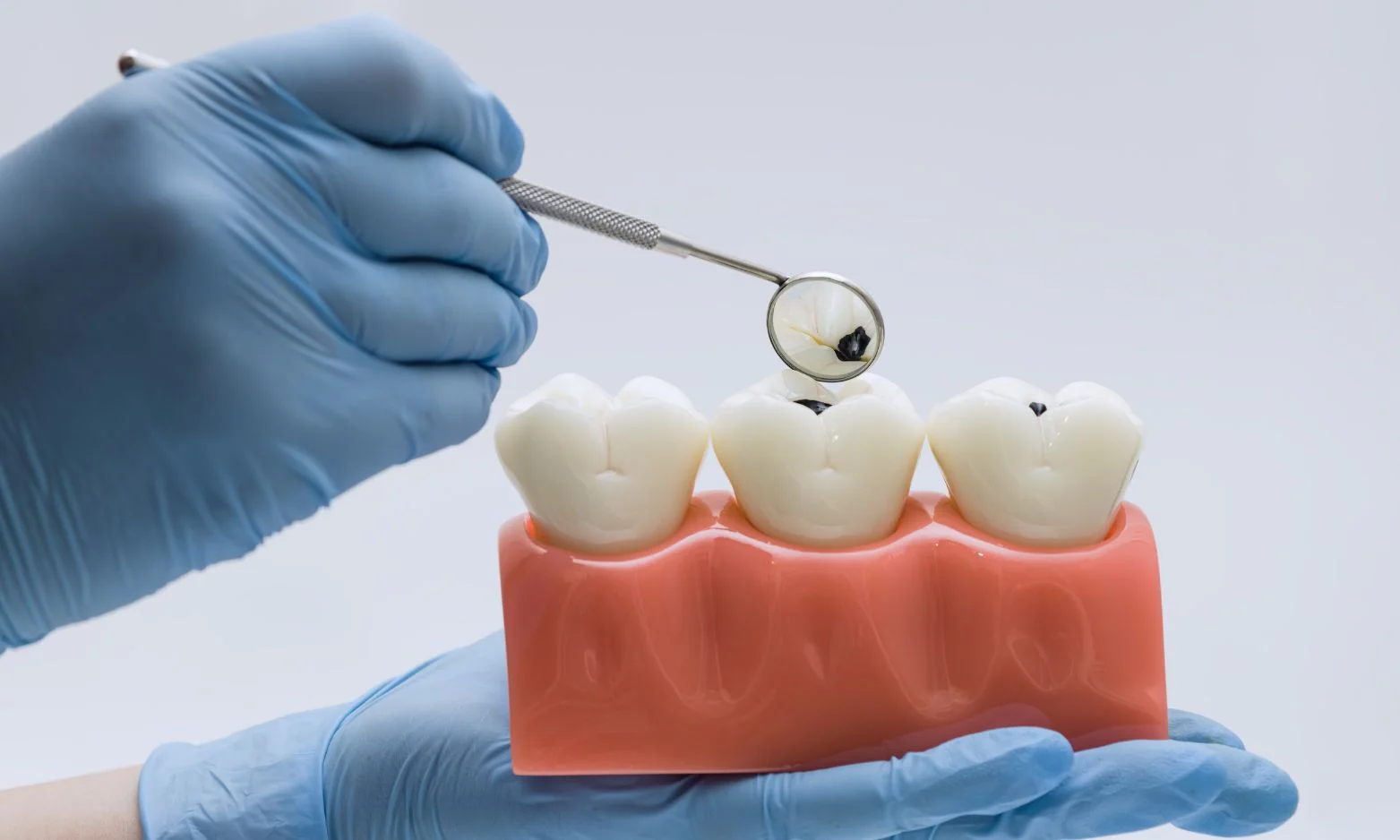
A cavity is a hole in your tooth. Not a surface stain. Not a mark. An actual hole where tooth structure has been destroyed.
The cavity forms because bacteria in your mouth produce acid. That acid attacks your tooth enamel. The enamel is the hard protective layer covering your tooth. The acid dissolves it. Over time, continued acid attack creates a hole.
Once the hole forms, the damage is real. The tooth structure is gone. Your body cannot rebuild tooth structure. Tooth enamel does not regenerate. Once it is damaged, only a dentist can repair it.
This is the fundamental reason cavities do not heal themselves. The damage is structural. Your body does not have the ability to repair structural tooth damage. Only professional dental treatment can restore the damaged tooth.
How cavities form and spread
The cavity starts small. Maybe just a tiny hole you cannot even see. Your tongue feels it. You notice a rough spot. The cavity is there but still small.
If you leave it alone, the cavity spreads. The bacteria continue making acid. The acid continues dissolving tooth structure. The hole gets bigger. The damage gets worse.
The cavity does not stay small and contained. It spreads deeper into the tooth. It spreads sideways under the enamel. It gets bigger every day you leave it untreated.
This spreading is why waiting is so dangerous. A small cavity that costs 200 dollars to fill today costs 1000 dollars to treat with a root canal if you wait a few months.
Contemporary Family Dentistry recommends addressing cavities immediately when you discover them.
Your body cannot repair cavities
Your body is amazing. It heals cuts. It repairs wounds. It fights infections. Your body has incredible healing abilities.
But tooth repair is not one of those abilities. Teeth are not like skin or bone. Teeth cannot regenerate. Tooth enamel especially cannot regenerate. Once it is gone, it is gone forever.
Your body might fight the infection. It might try to isolate the problem. But it cannot repair the structural damage. It cannot rebuild the hole. It cannot restore the tooth to health.
Only a dentist with specialized tools and materials can repair a cavity. Your body simply does not have this capability.
This is why cavities are different from other health problems. Your body heals many things. But cavities are not among them.
Why teeth are different
Teeth are not living tissue like skin or muscle. Teeth have a unique structure. The outer enamel layer is not living. It cannot regenerate because it is not alive.
Under the enamel is dentin. Dentin is more living than enamel but it still cannot repair itself. Below that is the pulp which contains nerves and blood vessels.
The structure of teeth means they cannot heal themselves the way other parts of your body do. Once damage happens, only professional repair can fix it.
Understanding this unique structure helps you understand why waiting is futile.
The cavity keeps getting worse
The most important thing to understand is cavities never stay small. They always get bigger. This is not optional. This is not sometimes. This is always.
The bacteria do not take breaks. The acid keeps flowing. The damage keeps spreading. Every day you delay treatment, the cavity gets bigger.
A cavity that is small today is medium sized next month. Medium sized next month is large in three months. Large in three months is a root canal situation in six months.
The progression is inevitable. The only variable is how much damage happens before you finally get treatment.
This is why early treatment is so important. Catching cavities early means simple cheap treatment. Waiting means expensive complex treatment.
According to research from the American Dental Association, untreated cavities progress from small repairable lesions to root canal requiring infections in an average timeline of 6 to 12 months, with progression speed dependent on individual bacterial load and diet, making early detection and treatment the difference between 200 dollar repairs and 1200 to 1500 dollar root canal procedures.
Pain does not mean the cavity is healing
Sometimes cavities cause pain. Sometimes they do not. Pain is not a sign of healing. Pain is a sign that the cavity has reached the nerve.
If your cavity hurts, that means it is serious. That means the cavity has penetrated deeply. That means you need immediate treatment.
Some cavities do not hurt at all. They are just sitting there silently destroying your tooth. No pain does not mean no problem. No pain just means the cavity has not reached the nerve yet. It will eventually if you wait long enough.
By the time a cavity causes pain, it is usually too late for simple filling. You might need a root canal. You might need extraction.
Do not wait for pain. Do not assume no pain means no problem. Get cavities checked and treated regardless of whether they hurt.
What actually happens when you ignore a cavity
You ignore the cavity. You hope it goes away. It does not go away. It gets bigger.
The cavity spreads deeper. It spreads sideways. The hole gets larger. The bacteria go deeper into the tooth.
Eventually the cavity reaches the pulp. That is where the nerve is. That is when pain starts.
Once the cavity reaches the nerve, the nerve gets infected. This is called a root canal situation. The nerve is dying. Your tooth is in serious trouble.
At this point your only options are root canal treatment or extraction. You cannot just fill the cavity anymore. The damage is too extensive.
Root canal treatment is expensive. Extraction means losing a tooth. Both are serious interventions. Both are avoidable if you just treat the cavity early.
This is what happens when you wait. The cavity does not heal. The cavity destroys your tooth. Eventually you end up with expensive emergency treatment or tooth loss.
The financial consequence of waiting
A simple filling costs 200 to 300 dollars. That is your cost if you treat the cavity early.
A root canal costs 1000 to 1500 dollars. That is your cost if you wait until the cavity reaches the nerve.
An extraction and replacement tooth costs 2000 to 5000 dollars depending on the replacement option.
The math is simple. Treat it early for 200 to 300 dollars. Wait and pay ten times as much. The financial incentive to treat cavities early is obvious.
But many people do not think about this. They think about avoiding the dentist now. They do not think about the consequences later.
Smart people treat cavities immediately and save thousands of dollars.
Remineralization is not cavity healing
You might hear about remineralization. About fluoride helping teeth. About early cavities reversing.
This is partially true but easily misunderstood. Early decay before an actual cavity forms can sometimes be arrested or slowed by fluoride. But once an actual cavity hole exists, remineralization cannot fix it.
Remineralization works on early decay that has not yet broken through the enamel. It is preventive. It stops decay from becoming cavities.
Once you have a cavity hole, remineralization cannot rebuild that hole. Once enamel is gone, fluoride cannot restore it.
This distinction matters. Early decay prevention is real. But cavity filling is not the same as cavity healing.
If you catch decay early before it becomes a cavity, fluoride treatment and increased oral hygiene might prevent cavity formation. But if the cavity already exists, you need dental treatment.
Contemporary Family Dentistry recommends fluoride treatment for early decay prevention but professional filling for existing cavities.
Prevention is better than waiting
If cavities do not heal themselves, the best strategy is prevent them from forming in the first place.
Brush twice daily. Floss every day. Limit sugary foods and drinks. Avoid snacking between meals. Drink water instead of soda.
These preventive measures reduce your cavity risk significantly. They do not eliminate risk but they reduce it dramatically.
Regular dental checkups catch early decay before it becomes cavities. Professional cleanings remove buildup that causes cavities.
Prevention is the smart strategy. It saves you money. It saves you pain. It saves you dental emergencies.
Getting treatment is the only real solution
There is no way around it. Cavities require dental treatment. The only real solution is getting the cavity filled.
Filling a cavity is fast. Usually takes 30 to 60 minutes. Usually causes no discomfort. Usually solves the problem completely.
The filling closes the hole. Stops bacteria from getting in. Protects the tooth. Restores function.
After filling, your tooth is protected. The cavity problem is solved. You can move forward.
The longer you wait, the more complex treatment becomes. The more expensive it becomes. The more risk you face of losing the tooth.
Get cavities filled immediately when discovered. This is the only real solution.
Contemporary Family Dentistry provides quick cavity filling appointments and makes the process simple and painless. Schedule your cavity filling today and stop the decay before it gets worse.
FAQs
Can cavities get better on their own if I brush more?
No. Better brushing prevents future cavities but does not heal existing cavities. Once a cavity hole exists, the damage is permanent. Brushing cannot restore tooth structure. Only professional filling can repair the cavity. If you have an existing cavity, brushing better helps prevent more cavities but does not heal the existing one.
Is it true that small cavities sometimes disappear?
No. Cavities do not disappear. They only get bigger. Early decay before cavity formation might be arrested by fluoride and better oral hygiene. But once a cavity hole exists, it only grows. Waiting makes cavities worse not better. Treat them immediately.
What if I just avoid chewing on that tooth?
Avoiding chewing on the tooth does not heal the cavity. It just postpones problems. The cavity keeps growing even though you are not chewing on it. Eventually the cavity causes trouble regardless of whether you chew on it. Avoiding chewing is not a solution. Treatment is the only solution.
How do I know if I have a cavity?
You might feel a rough spot with your tongue. You might see a dark spot on your tooth. You might have sensitivity to hot or cold. You might have pain. But many cavities cause no symptoms at all. The only reliable way to know is regular dental checkups. Your dentist can see cavities before they cause symptoms.
How long do I have before a cavity becomes an emergency?
It depends on the cavity and your individual situation. Some cavities progress quickly. Some progress slowly. But all cavities get worse over time. A cavity that is small now might need root canal treatment in 6 to 12 months. Do not take chances. Get treatment as soon as you know you have a cavity.


