
Quick Summary: What This Blog Covers
This blog explains what deep dental cleaning is, how it differs from a regular cleaning, and who needs it to manage gum disease. It also covers the procedure, recovery, benefits, and why timely treatment protects long term oral and overall health.
Introduction
When most people hear the term deep cleaning, it often triggers concern or confusion. Is it painful? Is it really necessary? Is it only for severe dental problems? The truth is that a deep cleaning is a preventive and therapeutic procedure designed to protect your oral health before serious issues develop. At Contemporary Family Dentistry, patient education is just as important as treatment, because understanding why a deep cleaning is recommended helps patients feel confident and proactive about their care.
This guide explains what deep cleaning teeth means, how it differs from a regular cleaning, who needs it, and what you can expect before, during, and after the procedure.
1. What Is a Deep Dental Cleaning
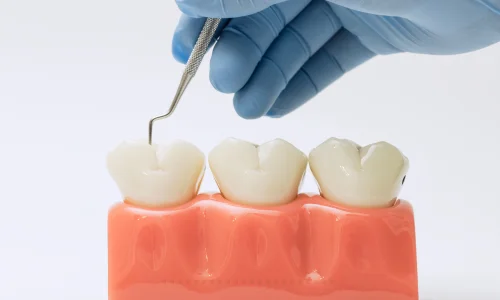
A deep dental cleaning, also known as scaling and root planing, is a treatment used to manage gum disease by removing plaque and tartar from below the gumline. Unlike routine cleanings that focus on the visible surfaces of teeth, deep cleaning targets bacteria that contribute to inflammation, infection, and bone loss.
1.1 Scaling
- Removes hardened plaque and tartar from tooth surfaces
- Cleans beneath the gumline where bacteria accumulate
- Helps reduce gum inflammation
1.2 Root Planing
- Smooths the tooth roots to discourage bacterial buildup
- Helps gums reattach to the teeth
- Reduces the depth of periodontal pockets
According to the American Dental Association, scaling and root planing is one of the most effective treatments for early to moderate gum disease.
2. How Deep Cleaning Is Different From a Regular Cleaning
Many patients assume all dental cleanings are the same. Understanding the difference helps clarify why a deep cleaning may be necessary.
Regular Dental Cleaning
- Focuses on plaque and tartar above the gumline
- Preventive in nature
- Typically completed in one short visit
- Recommended every six months for healthy gums
Deep Cleaning Teeth
- Targets buildup below the gumline
- Treats active gum disease
- May require multiple visits
- Helps stop disease progression
If left untreated, gum disease can worsen over time, making deep cleaning an essential step rather than an optional one.
3. Signs You May Need a Deep Cleaning
Gum disease often develops quietly. Many people are unaware they need treatment until symptoms become more noticeable.
Common Warning Signs
- Bleeding gums when brushing or flossing
- Persistent bad breath
- Red, swollen, or tender gums
- Gum recession or teeth appearing longer
- Loose teeth or changes in bite
The Centers for Disease Control and Prevention reports that nearly half of adults over age 30 show signs of gum disease, making early detection critical.
4. What Causes Gum Disease
Understanding the cause of gum disease highlights why deep cleaning teeth is often necessary.
4.1 Plaque and Tartar Buildup
- Plaque forms daily from bacteria and food particles
- When not removed, it hardens into tartar
- Tartar traps bacteria under the gums
4.2 Risk Factors
- Poor oral hygiene habits
- Smoking or tobacco use
- Diabetes or immune conditions
- Hormonal changes
- Genetics
These factors increase the likelihood of gum inflammation and periodontal pockets forming.
5. What to Expect During a Deep Cleaning
Knowing what happens during the procedure helps reduce anxiety.
5.1 Before the Procedure
- A thorough exam and periodontal measurements
- X rays to assess bone loss
- Local anesthesia to ensure comfort
5.2 During the Procedure
- Teeth are cleaned section by section
- Tartar is removed from above and below the gums
- Roots are smoothed to promote healing
Most patients report pressure rather than pain, especially with modern numbing techniques.
6. Is a Deep Cleaning Painful
A common concern is discomfort. In reality, deep cleaning teeth is usually well tolerated.
Pain Management
- Local anesthesia numbs the treatment area
- Sensitivity after treatment is usually mild
- Over the counter pain relievers are often sufficient
According to WebMD, most patients experience only temporary sensitivity that resolves within a few days.
7. Recovery and Aftercare
Proper aftercare supports healing and long term results.
Post Treatment Care
- Avoid very hot or cold foods for a short period
- Brush gently with a soft bristle toothbrush
- Use any prescribed mouth rinses
- Maintain consistent oral hygiene
Gums typically begin to feel healthier within one to two weeks.
8. Benefits of Deep Cleaning Teeth
Deep cleaning is not just about treating disease. It also protects your overall health.
Key Benefits
- Reduces gum inflammation and bleeding
- Prevents tooth loss
- Improves breath freshness
- Protects jawbone structure
- Lowers the risk of advanced periodontal disease
Research published by the National Institute of Dental and Craniofacial Research also links gum health to overall health, including heart disease and diabetes management.
9. What Happens If You Delay Treatment
Delaying a recommended deep cleaning can lead to more serious problems.
Potential Risks
- Progression of gum disease
- Increased bone loss
- Higher treatment costs later
- Possible need for surgical intervention
Early action often prevents more invasive procedures in the future.
10. Maintaining Healthy Gums After a Deep Cleaning
A deep cleaning resets gum health, but maintenance keeps it that way.
Long Term Care Tips
- Brush twice daily and floss consistently
- Attend regular dental checkups
- Avoid smoking
- Follow personalized periodontal maintenance schedules
Ongoing care ensures that the benefits of deep cleaning last for years.
Final Thoughts
So, do you need a deep cleaning? If you are experiencing bleeding gums, persistent bad breath, or signs of gum inflammation, a deep cleaning may be the key to restoring and protecting your oral health. Deep cleaning teeth is a proactive treatment that stops gum disease in its tracks and helps maintain a healthy smile for the long term.
If you have been told you may need a deep cleaning or want a professional evaluation, schedule a consultation with Contemporary Family Dentistry. Our team focuses on comfort, clarity, and long lasting oral health at every stage of care.
Frequently Asked Questions
1. How long does a deep cleaning take
Most deep cleanings are completed in one or two visits, depending on the severity of gum disease.
2. Can deep cleaning reverse gum disease
Deep cleaning can stop and manage early to moderate gum disease, but advanced cases may need additional treatment.
3. Will my insurance cover deep cleaning
Many dental insurance plans provide partial coverage when deep cleaning is medically necessary.
4. How often is deep cleaning needed
Most patients need it only once, followed by routine periodontal maintenance visits.
5. Is deep cleaning better than regular cleaning
Deep cleaning treats active gum disease, while regular cleaning focuses on prevention for healthy gums.


