
Quick Summary: What This Blog Covers
This blog explains the key warning signs that may mean a damaged or weakened tooth needs a dental crown, including cracks, pain, discoloration, large fillings, sensitivity, and trauma. It also covers why early evaluation and treatment can help protect the natural tooth and prevent more serious dental problems.
Introduction
You have a tooth that does not feel right. Maybe it is cracked. Maybe it is discolored. Maybe it hurts when you bite down. You are wondering whether you need a crown or whether it is nothing serious.
The truth is you might need a crown. Or you might just need a filling. Or maybe your tooth is fine and you do not need anything. Without professional evaluation, you cannot really know.
But you can start paying attention to signs that your tooth might need a crown. Certain symptoms suggest crown work is probably in your future. Other symptoms mean your tooth is probably okay. Understanding the difference helps you know when to call your dentist.
Most people have no idea what a crown actually is or whether they need one. They hear the word crown and they think it is something only celebrities get. Actually crowns are one of the most common dental treatments. Many people get crowns and their lives change for the better because the tooth problem finally gets fixed.
The problem is people wait way too long to get crowns. They ignore obvious signs that their tooth needs help. They hope the problem goes away on its own. It never does. The tooth just gets worse until it becomes a bigger problem than the original issue.
Understanding how to tell if you need a crown helps you catch problems early. Early treatment is always better than late treatment. Your tooth is saved. Your wallet is saved. Your stress is eliminated.
Contemporary Family Dentistry helps patients understand whether they need crowns and gets them treated before small problems become big problems. The team knows exactly what signs point to needing a crown. The team also knows when other treatments are better than crowns. This guide walks you through exactly how to tell if you need a crown and what to expect if you do.
What is a dental crown actually
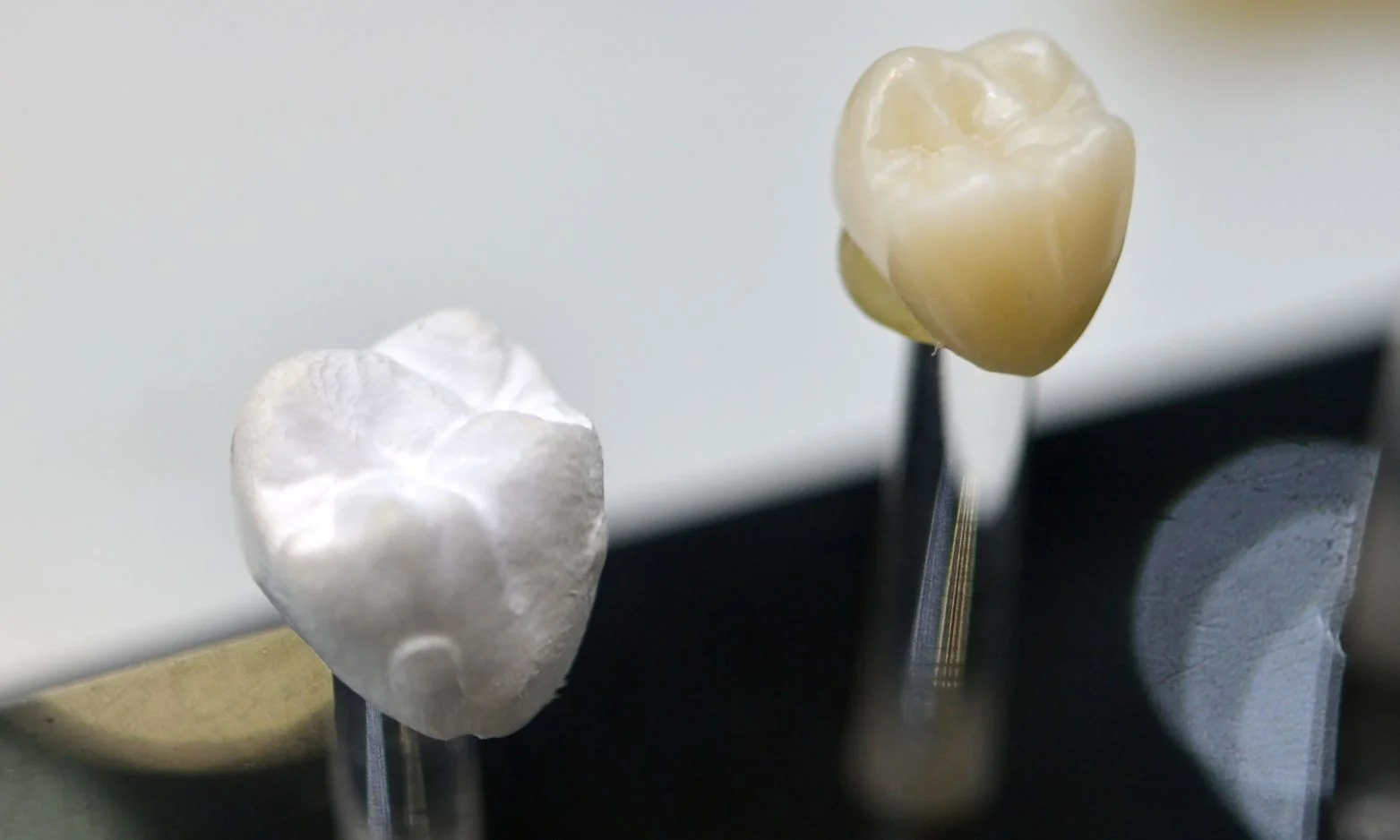
A crown is basically a cap that goes over your damaged tooth. Your dentist shaves down your tooth to a specific size and shape. Then they cement a custom made crown over top of it. The crown covers the entire tooth above your gum line.
The crown protects your damaged tooth. It restores the tooth to its original size and shape. It returns your bite to normal. It makes your tooth look like it never had problems.
Crowns are made from different materials. Porcelain. Ceramic. Metal. Some crowns are combinations of materials. Your dentist recommends the best material for your specific situation.
A crown is permanent. It stays on your tooth until something damages it or your tooth has other problems. Most crowns last many years sometimes even decades.
Why crowns work so well
Crowns work because they solve the underlying problem of damaged teeth. A cracked tooth gets capped so it cannot crack further. A tooth with a large cavity gets capped to protect it. A weak tooth gets capped to make it strong again.
Crowns are not cosmetic fixes. They are functional fixes. They solve real problems with your teeth.
This is why crowns are so popular. They actually work. They fix problems that nothing else can fix.
Contemporary Family Dentistry recommends crowns when they are the best solution for your specific tooth problem.
Your tooth hurts when you bite down
Pain when biting is one of the biggest signs you might need a crown. Your tooth hurts only when you apply pressure. The tooth is probably cracked or damaged inside.
When your tooth is cracked, biting pressure pushes the crack open. This irritates the nerve inside your tooth causing pain. The pain goes away when you stop biting because the crack closes again.
This pain pattern is very specific to crown worthy problems. If this is happening to you, your tooth probably needs a crown or you might need a root canal.
Do not ignore bite pain. It is your tooth telling you something is seriously wrong. Get it evaluated quickly before the problem gets worse.
Pain that gets worse over time
If your bite pain is getting worse instead of staying the same, the problem is progressing. The crack is getting bigger. The damage is spreading.
Worse pain means you need treatment sooner rather than later. The longer you wait, the bigger the damage, the more complicated the treatment.
Get your tooth evaluated as soon as possible if pain is increasing.
Your tooth is visibly cracked or broken
If you can see a crack in your tooth, you probably need a crown. Visible cracks in your tooth surface mean the tooth structure is compromised. A crown is the best way to fix it.
Sometimes the crack is small and barely visible. Sometimes the crack is big and obvious. Either way a crown covers it and protects your tooth from further damage.
Broken pieces are even more obvious. Your tooth is literally missing a piece. A crown rebuilds your tooth to its original shape.
These visible problems are not going to fix themselves. Your tooth is not going to heal. Only treatment helps.
Your tooth is discolored or changed color
A tooth that suddenly changes color might be dying inside. Dark spots on your tooth. Gray discoloration. Brown staining that won’t come off. These signs suggest something is wrong internally with your tooth.
Discolored teeth often need crowns because the underlying tooth structure is damaged. The discoloration shows you that decay or damage exists even if you cannot see the damage itself.
Do not ignore color changes in your teeth. Get them evaluated quickly.
Discoloration after root canal treatment
If you had a root canal, your tooth might discolor afterward. This is normal. A crown typically follows root canal treatment to protect your treated tooth.
The crown prevents your root canal tooth from breaking because root canal treated teeth are more brittle than living teeth.
Contemporary Family Dentistry recommends crowns after root canal treatment to protect your investment.
Your tooth has a large filling
A tooth with a large filling might eventually need a crown. Large fillings remove a lot of tooth structure. What is left is weakened.
Over time the weakened tooth can break around the filling. The filling can fail. The tooth can crack.
Getting a crown before the tooth breaks prevents future problems. The crown protects the remaining tooth structure.
If your dentist recommends a crown after you get a large filling, they are being proactive. They are preventing future problems not creating unnecessary treatment.
According to research from the American Dental Association, teeth with large fillings covering more than 50 percent of the biting surface have a 60 percent higher risk of fracture over ten years compared to teeth with smaller fillings, making crowns an effective preventive treatment.
Your tooth feels loose or moves when you bite
A loose tooth is a serious problem. Adult teeth should not move. If your tooth is loose or seems to move when you bite, something is wrong.
Loose teeth need evaluation immediately. The problem could be bone loss. Could be a cracked root. Could be other issues. But loose teeth do not get better on their own.
A crown might help. Or you might need other treatment. But you definitely need professional evaluation.
Do not wait with loose teeth. Get help quickly.
You have multiple problems on the same tooth
If your tooth has multiple issues, a crown is probably the best solution. A large cavity plus a crack. An old filling plus discoloration. Multiple problems compound into one bigger problem.
One crown treats all the problems at once. Smaller treatments might address individual issues but they do not solve the overall tooth problem as well as a crown does.
Your dentist evaluates the full picture. If the tooth has multiple issues, they recommend crowning it.
Your tooth is extremely sensitive to temperature
Extreme sensitivity to hot and cold drinks might mean your tooth needs a crown. Sensitivity suggests your tooth is damaged or decaying. The damage exposes sensitive parts of your tooth.
Sensitivity that does not go away with sensitive toothpaste suggests structural problems that need fixing. A crown covers the problem and eliminates the sensitivity.
This type of sensitivity is different from just sensitive teeth in general. This is one specific tooth being unusually sensitive. Get it evaluated.
Your dentist sees decay inside your tooth
Sometimes X-rays show decay that you cannot see from the outside. Your dentist might recommend a crown to cover and protect that internal decay.
You cannot see the problem but your dentist can see it on X-rays. Trust their expertise. Internal decay is serious.
A crown is often better than a filling for internal decay because the crown protects your entire tooth structure, not just the decayed spot.
Your tooth had trauma or injury
A tooth that got hit in an accident might need a crown even if it does not look dramatically damaged. Internal damage might exist that you cannot see.
Trauma can crack your tooth root. Damage can kill your tooth nerve. These internal problems might require a crown.
Get trauma evaluated even if your tooth seems okay on the surface. Internal damage is real but invisible.
Getting evaluated by a dentist is essential
You cannot really know if you need a crown without professional evaluation. You can suspect. You can see signs. But only your dentist can diagnose and recommend treatment.
Your dentist takes X-rays. They examine your tooth closely. They assess damage and determine the best treatment. Maybe you need a crown. Maybe you need something else. Maybe your tooth is fine.
Professional evaluation is the only way to know for sure.
Contemporary Family Dentistry evaluates your teeth thoroughly and recommends treatment based on what is actually best for your specific situation, not just what makes the most money.
The consequences of delaying crown treatment
Waiting too long to get a crown makes the tooth worse. A crack spreads. Decay spreads. Damage gets worse. Eventually your tooth cannot be saved with a crown. You need extraction instead.
Extraction costs more than a crown. It is way more traumatic than a crown. It leaves you with a missing tooth that creates other problems.
Getting a crown early saves your tooth. It prevents extraction. It prevents worse problems down the road.
Your crown decision affects your long term teeth
Whether you get a crown now affects your teeth for decades. Getting a crown when you need it protects your tooth. Delaying costs you your tooth eventually.
Make the smart choice. Get evaluated. Get treatment when you need it. Keep your natural teeth for life.
Contemporary Family Dentistry helps you make smart decisions about your teeth. The team recommends crowns when they are truly the best solution. Schedule your crown evaluation today and find out whether you need a crown to protect your tooth and your smile.
FAQs
How do I know if I need a crown or just a filling?
Your dentist determines this based on the size and location of the damage. Small cavities usually need fillings. Large cavities need crowns. Cracks almost always need crowns. Damage involving most of your tooth needs a crown. Your dentist shows you X-rays and explains why they recommend filling or crown treatment.
Does getting a crown hurt?
Preparing your tooth for a crown can feel uncomfortable but your dentist numbs your tooth so you should not feel pain. You might feel pressure or vibration but not sharp pain. After your crown is placed, your tooth might feel slightly sensitive for a few days. That sensitivity typically goes away quickly.
How much do crowns cost?
Crowns typically cost 800 to 2000 dollars depending on material and your location. Insurance might cover part of the cost. Talk to your dentist about costs and payment options. Many offices offer payment plans. Crowns are an investment but they last years so the cost spreads over time.
How long does a crown last?
Quality crowns last 10 to 15 years or longer with proper care. Some crowns last decades. Your crown lifespan depends on the material, your bite, and how well you care for your teeth. Good oral hygiene and avoiding hard foods helps your crown last longer.
What happens if my crown fails or breaks?
If your crown breaks or fails, call your dentist immediately. Your dentist can repair or replace the crown. If the underlying tooth is damaged, additional treatment might be needed. Do not delay if your crown breaks because your tooth underneath is exposed.


