
Quick Summary: What This Blog Covers
This blog explains how cracked teeth often start with mild, easy to ignore symptoms but gradually worsen over time if left untreated. It highlights the hidden risks, common warning signs, and why early dental attention is important to prevent more complex treatments later.
Introduction
A cracked tooth usually does not start as something scary. Most people notice it in a very casual way. Maybe a sharp little pain when biting something hard, or a strange feeling when chewing on one side. Then it goes away. So life continues. That is exactly why so many people ignore it. It feels too small to matter.
But here is the truth we see every week at Contemporary Family Dentistry. A cracked tooth almost never stays small. It changes quietly. It spreads slowly. And most importantly, it does not heal on its own. Once that structure breaks, the tooth only becomes more vulnerable over time. That is where the real cracked tooth risks begin.
It never really stays “just a crack”
People often think a crack is only on the surface, like a scratch on glass. But a tooth is layered. What you see on the outside is not the whole story.
A small line can already reach deeper layers. And once it reaches inside, it can affect the nerve. That is when sensitivity starts showing up. Hot drinks, cold water, or even normal chewing can suddenly feel different.
The tricky part is that it does not hurt all the time. It comes and goes. That gives a false sense that nothing serious is happening. But inside, the crack is still there, still active, still changing.
Why it hurts sometimes and feels fine other times
This is the part that confuses most patients. When you bite down, the tooth flexes slightly. If there is a crack, it opens a bit under pressure. That movement irritates the inside. That is when you feel a sharp pain. But when you release the bite, the crack closes again. The pain disappears. So it feels random. Because of this pattern, many people delay treatment. They think it is “just something temporary.” But that stop and start pain is actually one of the clearest signs of cracked tooth risks increasing.
Cracks do not stay still
A cracked tooth does not freeze in place. Every bite you take adds pressure. And pressure slowly pushes the crack deeper. It is not dramatic at first. No sudden braking. Just slow movement. Day by day. Some common things that make it worse without people realizing:
- Chewing ice or hard snacks
- Grinding teeth at night
- Biting on one side all the time
- Using teeth like tools (opening things, holding items)
None of these feel dangerous in the moment. But they keep stressing the weak spot.
What happens if you wait too long
This is where things usually change. If the crack keeps spreading, it can reach the inner nerve. Once that happens, pain becomes more constant instead of random. You might also notice swelling or strong sensitivity. At that stage, treatment becomes more involved. Sometimes a crown is enough. Sometimes a root canal is needed. And in severe cases, the tooth cannot be saved. That is why early attention matters so much. Waiting almost always reduces options.
Temperature sensitivity is a warning sign
One thing we always tell patients is this. If a tooth suddenly feels hot or cold, do not ignore it.
A cracked tooth often reacts to temperature changes because the crack allows stimulation to reach deeper layers.
It might feel like a quick sharp shock, then it disappears. That small reaction is often an early warning that the crack is moving deeper.
Why cracks are hard to notice early
Cracks are not always visible. Many are too small to see in a mirror. Some do not even show clearly on X rays.
That is why dentists rely a lot on symptoms. Things like:
- Pain when chewing
- Sensitivity to temperature
- Feeling like one tooth is “off”
- Random sharp discomfort
We also use bite tests and special tools to find the exact spot. But honestly, patient description plays a big role too.
The biggest problem is not pain, it is delay
Most dental problems get worse when ignored, but cracked teeth are different. They can feel almost normal for a long time.
So people delay it. They adapt. They chew on the other side. They avoid hard food. And they think it is manageable.
But the crack does not adapt. It keeps growing.
That delay is what turns a small fix into a bigger treatment later. This is the real danger behind cracked tooth risks.
Simple habits that quietly make it worse
A lot of cracks do not come from big accidents. They come from small daily habits.
Things like:
- Chewing ice while watching TV
- Grinding teeth during stress or sleep
- Biting nails without thinking
- Using teeth instead of tools
These habits feel harmless. But they slowly stress the same area again and again.
What treatment usually looks like
Treatment depends on how early the crack is found.
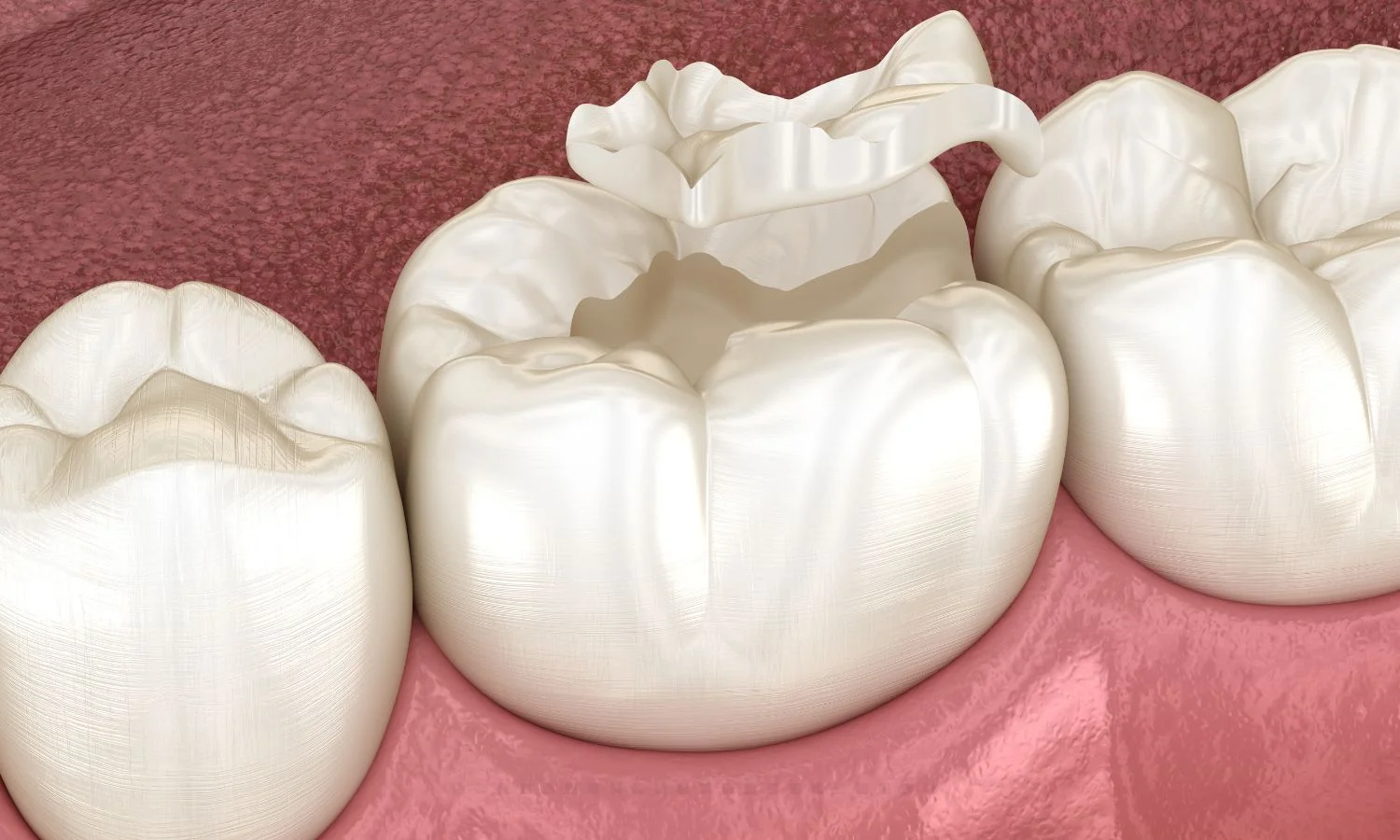
If it is small, a filling or bonding may be enough. If the tooth is weaker, a crown helps protect it from further pressure.
If the nerve is involved, a root canal may be needed. That sounds scary to many people, but it actually helps save the tooth.
The goal is always simple. Save the natural tooth whenever possible.
Why ignoring it is never a good idea
A cracked tooth does not stay stable. It does not pause. It does not fix itself.
Even if pain comes and goes, the structure is still weakening. That is the part most people miss.
The real issue is not how it feels today. It is what it becomes later if nothing is done.
Final thoughts
A cracked tooth usually starts quietly. No big pain. No big warning. Just small moments that people tend to ignore.
But over time, those small signs add up. The crack spreads, sensitivity increases, and treatment becomes more complex.
Understanding cracked tooth risks is really about one thing. Acting early instead of waiting for it to get worse.
At Contemporary Family Dentistry, we always tell patients the same thing. If something feels even slightly off, it is worth checking. Most of the time, early care is simple. Waiting usually makes it harder.
You can think of it like this. Teeth do not complain loudly at first. They whisper. The problem is, many people only listen when it starts shouting.
FAQs
1. Can a cracked tooth heal by itself
No. Once a tooth cracks, it cannot repair itself.
2. Why does my tooth hurt only sometimes
Because the crack opens when you bite and closes when pressure stops.
3. Is a small crack serious
Yes, because it can spread deeper over time.
4. Can I wait before seeing a dentist
Waiting usually makes treatment more complex later.
5. What is the most common treatment
Fillings, crowns, or root canals depending on severity.


