
Quick Summary: What This Blog Covers
This blog provides a practical dental veneers maintenance guide explaining how veneers work, why proper care is essential, and how daily habits influence their lifespan. It covers oral hygiene routines, foods and habits to avoid, and the importance of regular dental checkups. The article also shares lifestyle tips and warning signs to help patients protect their veneers and maintain a healthy, natural looking smile for years.
Introduction
Dental veneers have become one of the most popular cosmetic dentistry treatments for achieving a confident and attractive smile. Thin porcelain shells placed over the front surface of teeth can dramatically improve color, shape, and overall appearance. However, maintaining these restorations properly is essential for long term success. At Contemporary Family Dentistry, we regularly guide patients through the care routines necessary to protect their investment and preserve their smile for years to come. This dental veneers maintenance guide explains how veneers work, why maintenance matters, and the habits that keep them looking natural and healthy over time.
Modern veneers are designed to be durable and stain resistant, but they are not completely maintenance free. Like natural teeth, they rely on proper oral hygiene, consistent dental visits, and mindful daily habits. Understanding the essentials of this dental veneers maintenance guide can help patients avoid unnecessary damage and extend the lifespan of their veneers while maintaining excellent oral health.
Porcelain veneers can last 10 to 15 years with proper care according to the American Dental Association.
Understanding Dental Veneers
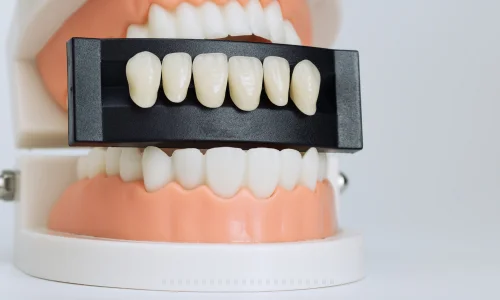
Dental veneers are thin custom crafted shells typically made from porcelain or composite resin. These restorations are bonded to the front of teeth to correct cosmetic concerns such as discoloration, uneven shapes, chips, and small gaps.
Porcelain veneers are the most common option because they closely mimic the light reflecting properties of natural enamel. They are also highly resistant to stains compared with natural teeth. Many cosmetic dentists rely on porcelain materials recommended by organizations such as the American Academy of Cosmetic Dentistry because of their reliability and aesthetic results.
Despite their durability, veneers require careful maintenance. A structured dental veneers maintenance guide ensures patients protect both the veneers and the underlying natural teeth.
Why Veneer Maintenance Matters
Many people assume veneers are permanent and immune to damage. While they are strong, improper habits can still shorten their lifespan. Without proper care, veneers may chip, loosen, or experience wear over time.
Maintaining veneers is important for several reasons.
- Protecting the bonding between the veneer and the tooth.
- Preventing gum disease around the restored teeth.
- Avoiding unnecessary repairs or replacements.
- Preserving the natural appearance of the smile.
Dental professionals emphasize that veneers function best when patients treat them like natural teeth. Following a consistent dental veneers maintenance guide ensures both aesthetic and functional success.
Daily Oral Hygiene for Veneers
Daily oral hygiene is the foundation of any effective dental veneers maintenance guide. Although veneers themselves cannot decay, the natural tooth beneath them can still develop cavities if oral hygiene is neglected.
Patients should maintain a routine that includes the following steps.
Brushing Properly
Brushing twice daily with a soft bristled toothbrush protects veneers while preventing plaque buildup. Harsh brushing or abrasive toothpaste can gradually damage the veneer surface. Dentists often recommend non abrasive toothpaste options approved by organizations like the Mayo Clinic.
Electric toothbrushes can also improve plaque removal. Brands such as Oral B provide models designed for gentle yet effective cleaning around cosmetic dental work.
Flossing Every Day
Flossing removes plaque and food particles from between teeth where brushing cannot reach. This step is essential in any dental veneers maintenance guide because healthy gums support the long term stability of veneers.
Flossing daily helps prevent gum inflammation and recession that could expose veneer edges.
Using Antibacterial Mouthwash
An antimicrobial rinse can reduce harmful bacteria and maintain fresh breath. Products recommended by dentists and evaluated by organizations such as the Centers for Disease Control and Prevention help support overall oral hygiene.
Foods and Habits to Avoid
Another key element of a successful dental veneers maintenance guide involves avoiding habits that may damage veneers. While porcelain veneers are durable, certain behaviors increase the risk of chips or cracks.
Hard Foods
Biting directly into hard foods like ice, hard candy, or popcorn kernels can place excessive pressure on veneers.
Teeth Grinding
Grinding or clenching teeth, also known as bruxism, can gradually weaken veneers and damage natural enamel. Dentists may recommend night guards to protect teeth during sleep. The National Institute of Dental and Craniofacial Research explains that bruxism can significantly impact dental restorations if untreated.
Using Teeth as Tools
Opening packages or bottles with teeth places unnecessary stress on veneers and may cause fractures.
By avoiding these habits, patients significantly increase the longevity of their cosmetic restorations.
The Role of Regular Dental Checkups
Routine dental visits are a crucial part of any dental veneers maintenance guide. Professional cleanings and examinations help identify potential issues early before they become serious problems.
Dentists typically recommend checkups every six months. During these visits, professionals evaluate:
• The condition of veneers
• The strength of the bonding material
• Gum health around the veneers
• Signs of wear or damage
Professional cleanings also remove plaque buildup that may accumulate around veneers over time.
Nearly 42 percent of adults over age 30 have some form of gum disease according to the Centers for Disease Control and Prevention.
Maintaining healthy gums ensures veneers remain stable and visually appealing.
Protecting Veneers From Stains
Porcelain veneers resist stains more effectively than natural enamel, but the surrounding teeth can still discolor. This difference may create uneven color if patients frequently consume staining substances.
A well planned dental veneers maintenance guide encourages moderation with beverages such as:
• Coffee
• Tea
• Red wine
• Dark sodas
If patients do consume these beverages, rinsing with water afterward can help minimize staining. Dentists may also recommend occasional professional whitening treatments for natural teeth to maintain a consistent shade.
Veneers and Lifestyle Considerations
Certain lifestyle choices influence how well veneers perform over time. Patients should consider how their daily routines affect oral health.
Sports and Physical Activity
Individuals who participate in contact sports should wear protective mouthguards to prevent accidental impact to the teeth.
Smoking and Tobacco Use
Tobacco products can stain natural teeth and affect gum health. According to research published by the World Health Organization, smoking is a major contributor to oral health complications including gum disease.
Hydration and Diet
Drinking enough water and maintaining a balanced diet supports saliva production and oral health. Nutrient rich foods help maintain strong gums and underlying tooth structure.
Incorporating these lifestyle habits strengthens the effectiveness of any dental veneers maintenance guide.
Signs Your Veneers Need Attention
Even well maintained veneers occasionally require professional evaluation. Patients should contact their dentist if they notice any of the following symptoms.
- A veneer feels loose or moves slightly.
- Sharp edges or rough surfaces appear.
- Gum irritation develops around the veneer.
- Changes occur in bite alignment.
- Sensitivity increases around the treated tooth.
Early intervention often prevents more complex treatment later.
Long Term Care and Veneer Longevity
One of the main goals of a dental veneers maintenance guide is maximizing the lifespan of cosmetic restorations. With proper care, veneers can remain functional and attractive for more than a decade.
Long term success depends on several factors.
• Consistent oral hygiene
• Regular dental checkups
• Avoidance of damaging habits
• Protective devices when necessary
When these elements are combined, veneers maintain their appearance and structural integrity for many years.
Final Thoughts
Dental veneers can transform a smile and significantly boost confidence, but their longevity depends on proper care and daily habits. Following a structured dental veneers maintenance guide ensures that patients protect both their veneers and their natural teeth.
At Contemporary Family Dentistry, we help patients maintain beautiful and healthy smiles through personalized care and professional guidance. If you already have veneers or are considering cosmetic treatment, understanding the principles of this dental veneers maintenance guide will help you preserve your results and maintain excellent oral health for years to come. To learn more about caring for your cosmetic restorations, visit our internal resource on cosmetic dentistry services.
Frequently Asked Questions
1. How long do dental veneers typically last?
Porcelain veneers generally last between 10 and 15 years when patients follow a consistent dental veneers maintenance guide and attend regular dental visits.
2. Can veneers stain over time?
Porcelain veneers are highly stain resistant, but surrounding natural teeth may discolor if exposed frequently to coffee, tea, or tobacco.
3. Is flossing safe with veneers?
Yes, flossing is essential for maintaining healthy gums and protecting the natural teeth supporting veneers.
4. Do veneers require special toothpaste?
Dentists often recommend non abrasive toothpaste to protect the polished veneer surface and prevent scratches.
5. What should I do if a veneer becomes loose?
Patients should contact their dentist immediately. Prompt treatment can often restore the veneer before further damage occurs.


