
Quick Summary: What This Blog Covers
This blog explains how crooked teeth and bite misalignment can contribute to jaw pain, muscle tension, headaches, and related discomfort. It also explores how braces, clear aligners, and professional evaluation may help improve alignment and jaw function.
Introduction
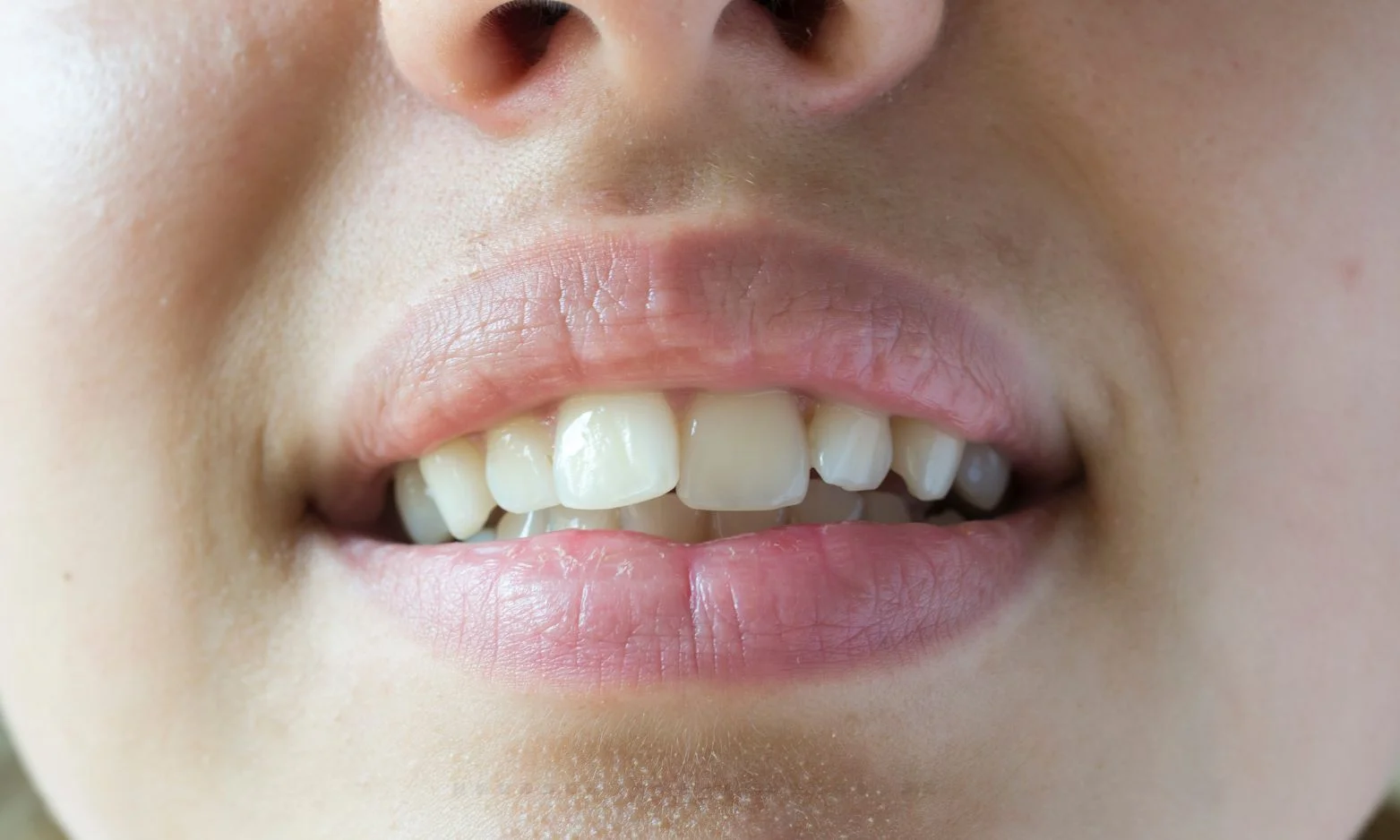
You have crooked teeth. Maybe you have had them your whole life. Maybe they developed over time. Either way you live with them and you have gotten used to how they look.
But lately your jaw has been hurting. You notice tension in your jaw joint when you chew. Sometimes you get headaches. Your ear feels sore occasionally. You wonder if these things are related to your crooked teeth or if it is something completely separate.
The answer might surprise you. Yes, crooked teeth can absolutely lead to jaw pain. In fact misaligned teeth are one of the most common causes of jaw problems. Your crooked teeth are probably putting stress on your jaw joint in ways you do not even realize.
Most people think crooked teeth are just a cosmetic issue. They assume crooked teeth are about how your smile looks, not how your mouth functions. But crooked teeth affect way more than just appearance. They affect how you bite. How you chew. How your jaw joints work. All of these things directly contribute to jaw pain.
Understanding the connection between crooked teeth and jaw pain helps you understand whether straightening your teeth is worth doing beyond just the cosmetic benefits. It also helps you understand why jaw pain that seems random might actually have a tooth alignment root cause.
Contemporary Family Dentistry helps patients understand the connection between tooth alignment and jaw health all the time. The team sees how crooked teeth create jaw problems. The team also sees how straightening teeth solves jaw problems that patients thought were permanent. This guide walks you through exactly how crooked teeth lead to jaw pain and what you can do about it.
How your teeth alignment affects your jaw joint
Your teeth do way more than just bite and chew. Your teeth actually determine how your jaw joints function. When your teeth align properly, your jaw joints work the way they were designed to work.
Your jaw joint is called the temporomandibular joint or TMJ. This joint opens and closes your mouth. It slides side to side when you chew. It bears stress from chewing forces. When your teeth align properly, these forces distribute evenly. Your jaw joint handles the stress normally.
But when your teeth are crooked, chewing forces do not distribute evenly. Some teeth take more pressure than they should. Your jaw has to compensate by working at weird angles. The jaw joint gets stressed. This stress accumulates over time until you develop jaw pain.
Think of it like a car that is out of alignment. The wheels are not pointing the right direction. The car still drives but it puts extra stress on the suspension. Eventually parts wear out and fail. Your jaw works the same way. Crooked teeth put extra stress on your jaw joint until it starts failing.
Uneven bite creates muscle tension
When your bite is uneven because of crooked teeth, the muscles around your jaw have to work harder. They have to compensate for the misalignment. They have to position your jaw in ways that are not natural.
This constant compensation creates muscle tension. The muscles get fatigued. They develop trigger points. They become painful. This muscle tension is often what people feel as jaw pain.
The pain might be in your jaw itself. It might be in your temples where you get headaches. It might be near your ear. All of this tension comes from your muscles working overtime to compensate for misaligned teeth.
Contemporary Family Dentistry helps patients understand that their jaw pain often comes directly from their bite alignment.
The specific ways crooked teeth cause jaw problems
Crooked teeth cause jaw problems through several specific mechanisms. Understanding these mechanisms helps you see why your jaw hurts.
Forward positioned teeth shift your bite
Some crooked teeth are positioned too far forward. When your upper teeth stick out too far, your lower jaw has to close at an angle to meet them. This forward jaw position puts stress on your jaw joint.
Your jaw joint is designed to close straight. When it closes at an angle constantly, the joint gets irritated. The cartilage gets damaged. Pain develops.
Teeth shifted to the side create asymmetrical chewing
When your teeth are shifted to one side, you chew unevenly. You favor one side of your mouth. You put more pressure on the teeth on that side.
This asymmetrical chewing creates uneven stress on your jaw joints. One joint takes more pressure than the other. The overused joint gets irritated while the underused joint atrophies slightly. Both situations create problems.
Overbite and underbite change jaw mechanics
An overbite means your upper teeth overlap your lower teeth too much. An underbite means your lower teeth stick out past your upper teeth. Both situations fundamentally change how your jaw closes.
Your jaw has to work in positions that are not natural for the joint. Pressure concentrates in abnormal spots. Your jaw joint cartilage wears down. Pain develops over months or years.
Crowded teeth force jaw positioning
When your teeth are crowded and overlapping, your jaw cannot close properly. Your teeth do not meet evenly. Your jaw has to shift and adjust to make your teeth meet.
This constant shifting puts stress on your jaw joint. Your muscles tense trying to hold your jaw in these awkward positions. Pain develops from the constant muscle tension and joint stress.
According to research from the Journal of Dental Research, patients with misaligned teeth show 40 percent higher rates of temporomandibular disorder compared to patients with properly aligned teeth, establishing a clear causal link between tooth alignment and jaw dysfunction.
The jaw pain cycle that develops over time
Jaw pain from crooked teeth usually does not develop overnight. It develops gradually over months or years. Understanding this cycle helps you recognize what is happening.
First your crooked teeth create slightly uneven chewing forces. Your jaw handles it fine at first. But the constant uneven stress starts accumulating. Your jaw joint cartilage slowly wears down.
Meanwhile your jaw muscles are working harder than normal to compensate for misalignment. They get tired. They develop tension. The tension gets worse over time.
Eventually the accumulated stress and muscle tension reaches a point where pain develops. Suddenly your jaw hurts. But the crooked teeth have been causing problems for months or years before the pain became noticeable.
This is why people often do not realize their jaw pain comes from their teeth. The connection is not immediately obvious. But if you trace back, the crooked teeth were the root cause all along.
Headaches and ear pain connect to jaw misalignment
Jaw pain is not the only symptom of jaw problems from crooked teeth. Many people get headaches. Some people get ear pain. Some people get neck pain.
All of these symptoms can come from jaw misalignment. The jaw joint is close to your ear. Jaw joint problems create ear pain. Jaw muscles attach to your head and neck. Muscle tension creates headaches and neck pain.
You might think your headaches are unrelated to your teeth. Actually they often come directly from jaw misalignment caused by crooked teeth.
Contemporary Family Dentistry helps patients recognize that their headaches and ear pain often improve dramatically when they straighten their teeth.
Not all jaw pain comes from teeth
Before you assume your jaw pain comes from crooked teeth, know that other things cause jaw pain too. Injury. Stress causing teeth grinding. Arthritis. Dental problems like cavities or abscesses. These things cause jaw pain independent of tooth alignment.
But if you have crooked teeth and you have jaw pain, there is a very good chance the two are connected. Especially if your pain is chronic and started gradually over time.
Straightening teeth can actually eliminate jaw pain
Here is the good news. When you straighten your crooked teeth, jaw pain often improves dramatically or disappears completely.
Straightening your teeth aligns your bite. It distributes chewing forces evenly. Your jaw joint no longer has to work at weird angles. Your jaw muscles no longer have to compensate. The stress on your jaw decreases. The pain goes away.
People who straighten their teeth for cosmetic reasons are often shocked that their jaw pain also disappears. They did not realize their pain came from their teeth. But once the teeth get straightened, the underlying cause of the pain is eliminated.
The straightening process takes time
Straightening teeth takes months. Usually six to eighteen months depending on how crooked they are. The jaw pain does not disappear immediately when you start straightening.
But as your teeth gradually move into better positions, your jaw stress gradually decreases. Your jaw pain gradually improves. By the time your straightening is complete, your jaw pain is usually completely gone.
This gradual improvement is actually healing happening. Your jaw is adjusting to better alignment. Your jaw joint cartilage starts recovering. Your muscles relax. The whole system gets healthier.
Whether braces or clear aligners straighten better for jaw problems
Both braces and clear aligners can straighten teeth and improve jaw problems. The method matters less than getting your teeth aligned.
Some people prefer braces because they work faster. Some people prefer clear aligners because they are less visible. Both work to improve jaw alignment and eliminate pain.
The important thing is that you straighten your teeth somehow if you have jaw pain and crooked teeth.
Contemporary Family Dentistry offers multiple straightening options so you can choose the method that fits your life best.
Addressing jaw pain while you straighten your teeth
While you are straightening your teeth, you can take steps to manage jaw pain. Ice on your jaw helps. Jaw exercises prescribed by your dentist help. Avoiding hard foods helps. Pain medication helps when needed.
Your dentist can guide you through pain management strategies while your teeth straighten. The good news is you know the pain has an end date. Once your teeth are straight, the underlying cause of the pain is fixed.
Getting evaluated for jaw pain and tooth alignment
If you have jaw pain and crooked teeth, get evaluated. Your dentist can determine whether your teeth alignment is contributing to your jaw problems.
Your dentist can take X-rays to see how your jaw is positioned. They can feel your jaw joint to check for inflammation. They can assess your bite to see if it is uneven.
This evaluation tells you whether straightening your teeth will likely eliminate your jaw pain. It helps you make an informed decision about whether straightening is worth doing beyond the cosmetic benefits.
Contemporary Family Dentistry evaluates patients with jaw pain to determine whether tooth alignment is the root cause and whether straightening will help.
Your jaw pain might be fixable
Chronic jaw pain is frustrating. You have probably tried ice and heat and exercises and medications. Nothing helps permanently. You might think you just have to live with it.
But if you have crooked teeth, the solution might be right there in your mouth. Straightening your teeth could eliminate the jaw pain that has been bothering you for years.
Do not assume your jaw pain is permanent. Get evaluated. Find out whether tooth alignment is contributing. You might be able to fix your jaw pain by straightening your teeth and improving your bite.
Contemporary Family Dentistry helps patients recognize and address the tooth alignment causes of their jaw pain. Schedule your jaw pain evaluation today and discover whether straightening your teeth can eliminate the pain that has been bothering you.
FAQs
Can crooked teeth cause jaw pain without any other symptoms?
Yes. Some people get jaw pain as their only symptom of tooth misalignment. Other people also get headaches or ear pain. But jaw pain alone can definitely come from crooked teeth. If you have jaw pain and crooked teeth, there is a good chance they are connected.
How long does it take for jaw pain to improve after straightening teeth?
Improvement usually starts within weeks as your teeth begin moving into better positions. Significant improvement typically happens within a few months. By the time your straightening is complete, your jaw pain is usually gone. Everyone is different but most people feel substantially better within three months of starting straightening.
Will straightening my teeth guarantee my jaw pain goes away?
Straightening teeth eliminates jaw pain caused by misalignment in most cases. But if your jaw pain comes from other causes like arthritis or injury, straightening might not help. Your dentist can evaluate whether your jaw pain is likely caused by tooth misalignment. If it is, straightening will likely help.
What if I have jaw pain but do not want braces?
Clear aligners work great for straightening teeth and improving jaw pain. They are less visible than braces and more comfortable for many people. If you do not like the idea of braces, clear aligners are an excellent alternative that still fixes your bite and eliminates jaw pain.
Can jaw problems develop even with straight teeth?
Yes. Injury, arthritis, stress and teeth grinding can all cause jaw problems even with straight teeth. But crooked teeth are one of the most common preventable causes of jaw problems. If you have crooked teeth and jaw pain, addressing the tooth alignment is usually the first step.


